
Low Friction Grease for Precision Linear Motion
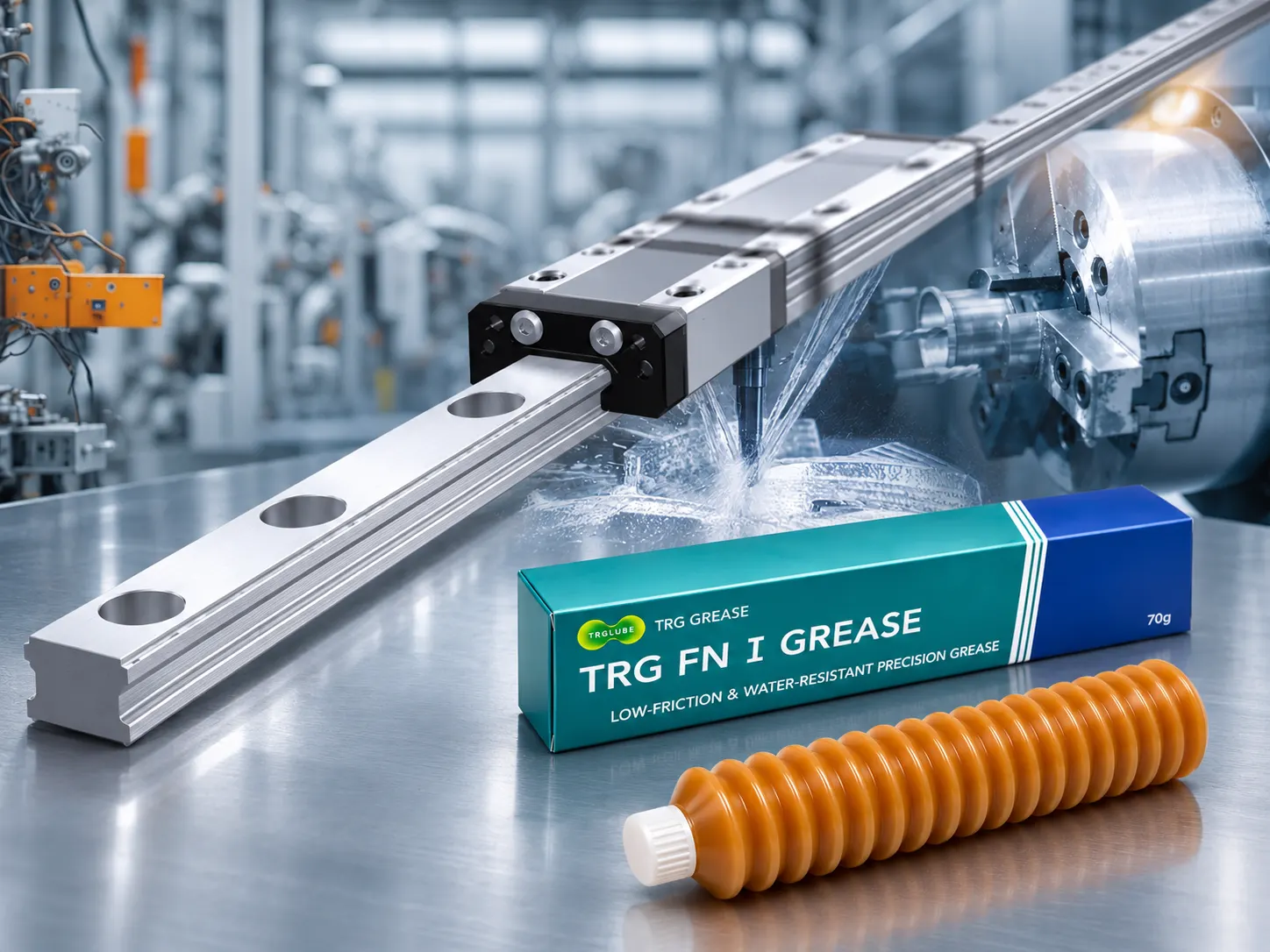
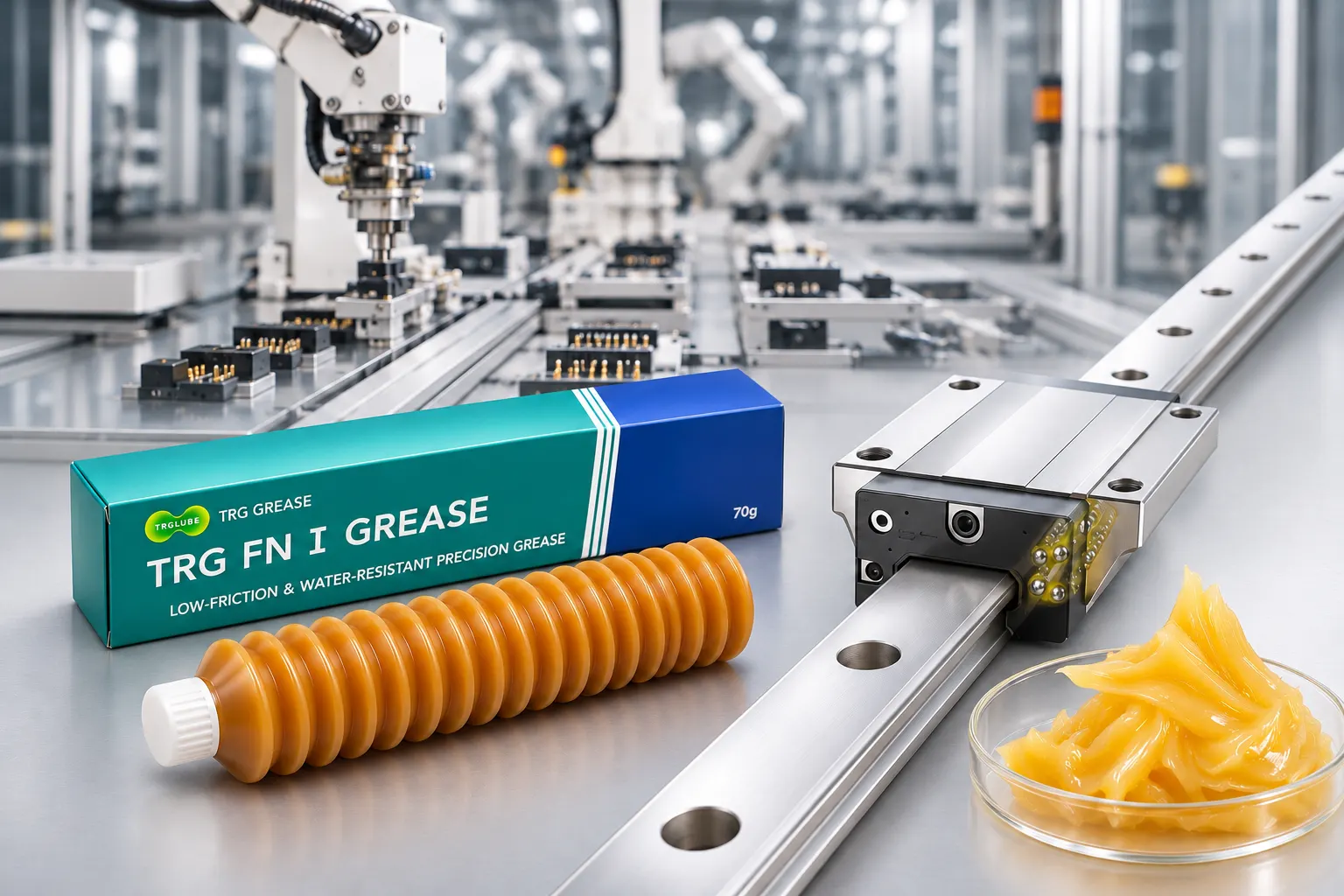
Evaluated for high-speed, long-stroke linear guides and precision actuators. TRG FN Ⅰ offers optimized sliding resistance and lubrication film protection for demanding automation systems. Available in 70g and 400g cartridges.
What Is Low Friction Grease?
In precision linear motion systems, grease plays a dual role: it must form a sufficient lubrication film via its base oil to protect rolling contacts, while its thickener keeps the oil in the raceway. However, the physical presence of the grease introduces viscous drag.
A "Low Friction Grease" is formulated to balance these requirements. It typically utilizes specific base oils and thickener structures to minimize unnecessary viscous resistance during high-speed or long-stroke movements, without compromising wear protection.
Engineering Note: Low friction does not equal zero friction. A lower base oil viscosity does not guarantee the lowest running resistance under all conditions. Selection must account for travel speed, load, and operating temperature.
Where Does Friction Come From in Linear Motion Systems?
Understanding the sources of resistance is critical before selecting a lubricant. Total drive force is affected by multiple mechanical and tribological factors.
1. Lubricant Viscous Resistance
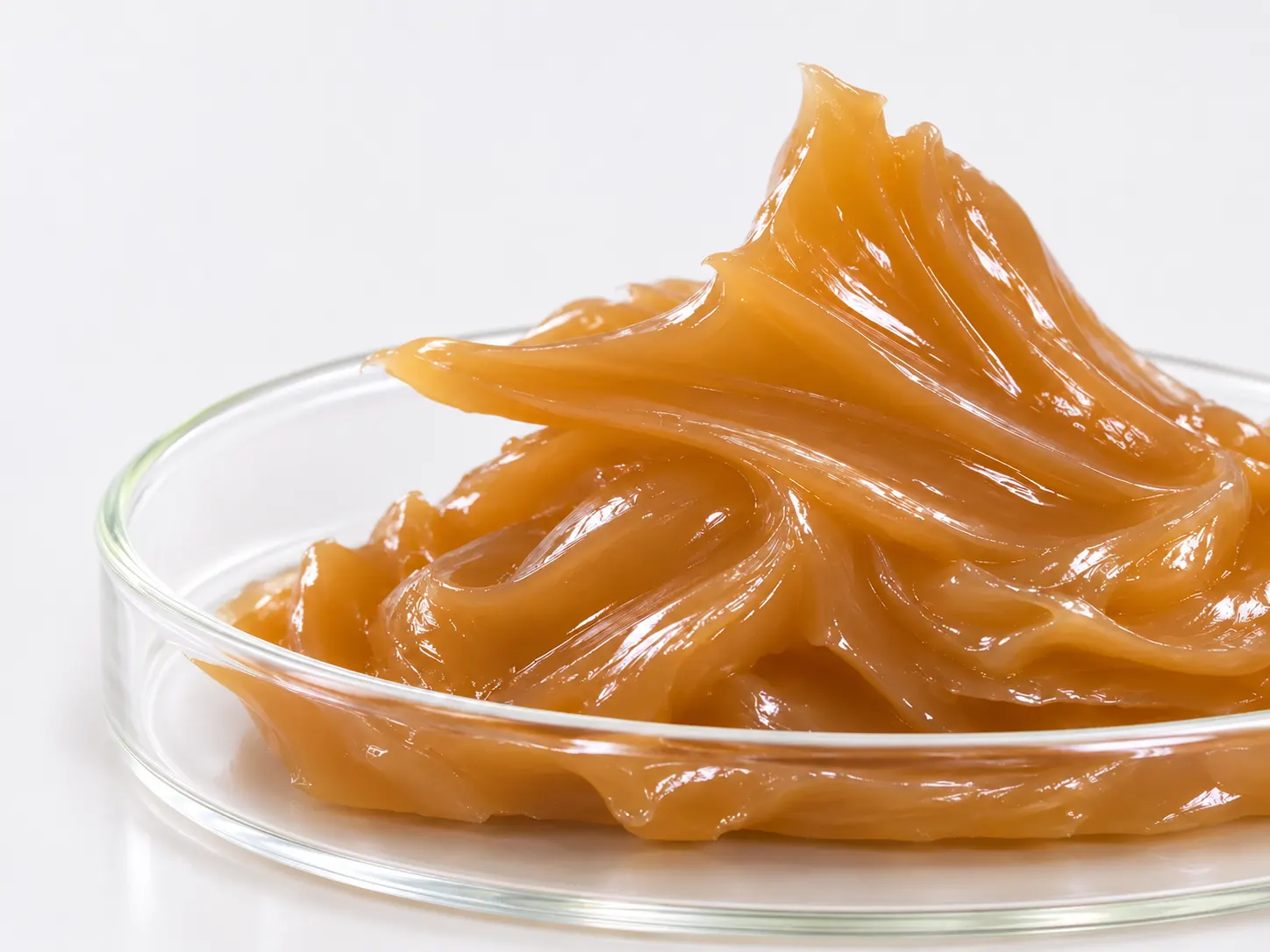
The internal friction of the grease itself. Base oil viscosity, travel speed, and the quantity of grease filled directly impact the churning and viscous drag experienced by the carriage.
2. Rolling and Sliding Contact
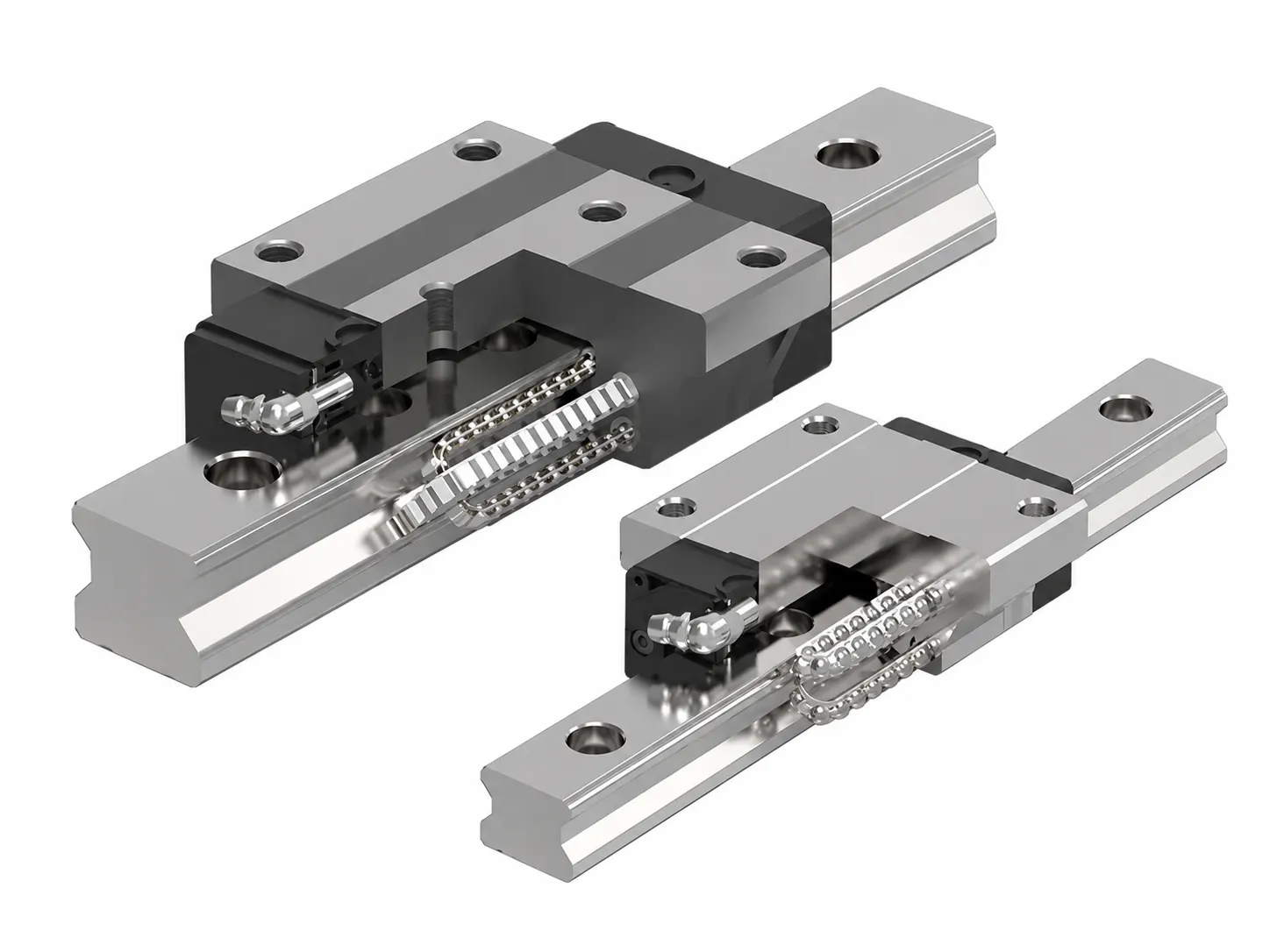
As rolling elements move through the raceway, they experience both rolling friction and micro-sliding friction at the contact points, requiring a stable lubrication film to separate metal surfaces.
3. Preload and Seal Friction
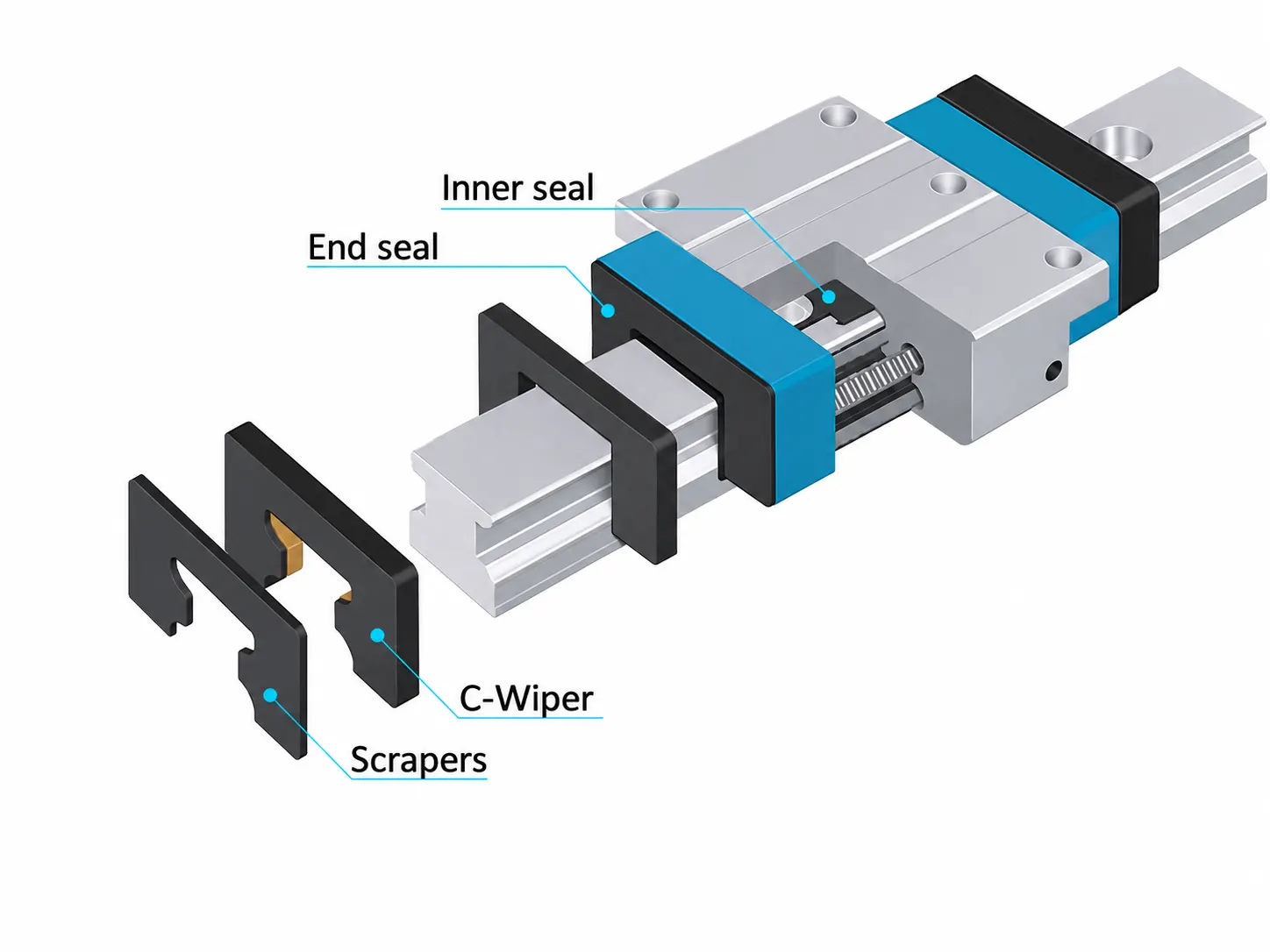
Mechanical preloading to eliminate clearance increases rolling resistance. Additionally, end seals and scrapers rubbing against the rail add a constant mechanical drag independent of the lubricant.
4. Temperature Variations
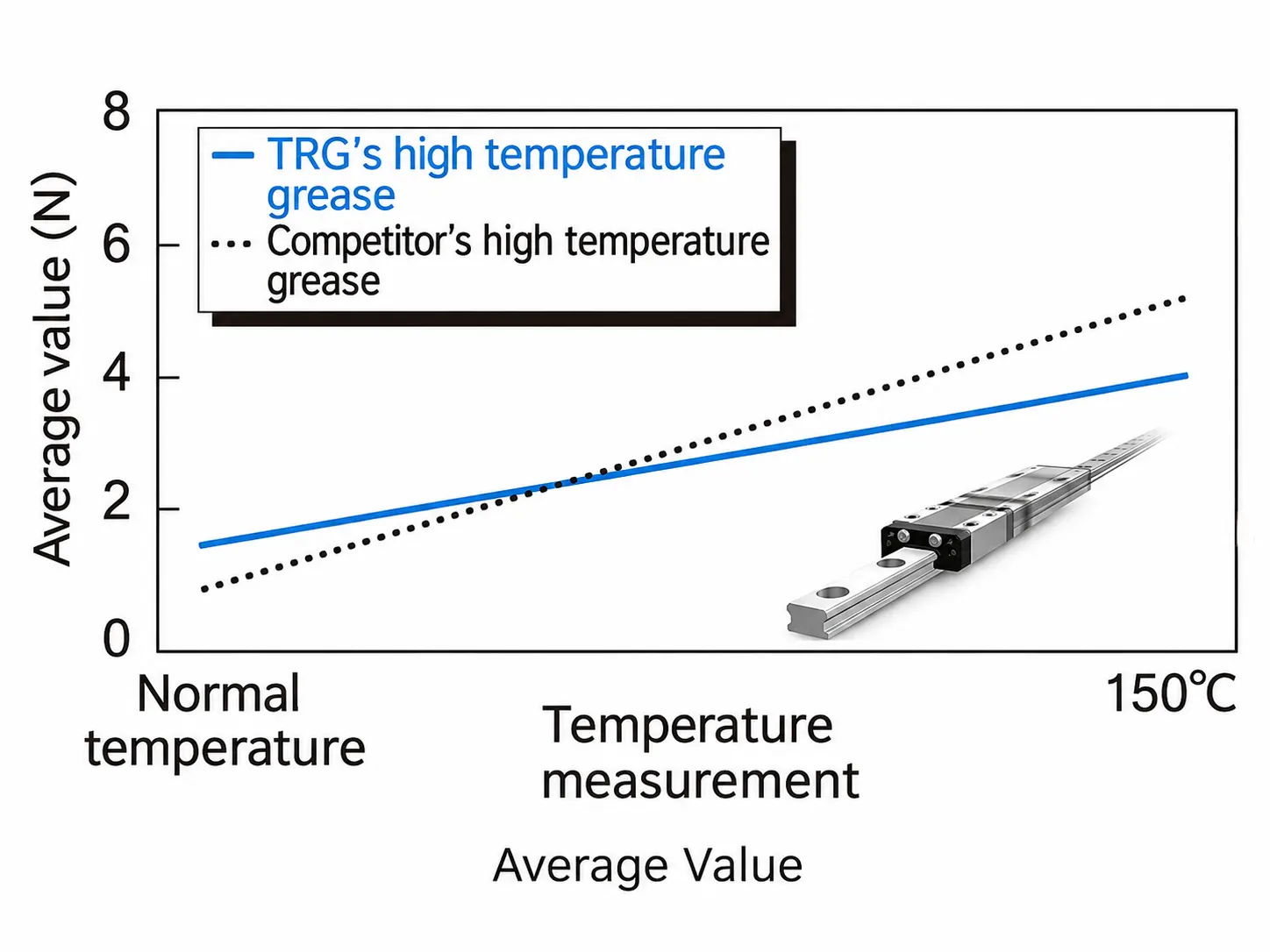
Temperature affects base oil viscosity and grease consistency. Low temperatures significantly increase starting resistance, while high speeds can generate heat that alters running resistance.
Common Friction Problems in Precision Motion Equipment
High Starting Resistance
Initial drive force is excessive after long downtimes or in low-temperature environments.
Evaluate: Base oil pour point, grease consistency, and initial breakaway torque characteristics.
Increasing Resistance at High Speed
Continuous high-speed operation causes viscous drag and temperature rise, affecting performance.
Evaluate: Base oil kinematic viscosity, churning effects, and heat dissipation capabilities.
Small Motor Drive Limitations
Compact actuators with limited motor margin struggle against preloaded carriages and thick grease.
Evaluate: Mechanical preload levels, seal drag, and switching to a low-sliding-resistance grease formulation.
Excessive Grease Filling
Over-lubrication increases churning resistance and can cause erratic motor loads during travel.
Evaluate: Adherence to OEM filling quantities and establishing a proper run-in procedure to distribute grease.
Unstable Motion at Low Speed
Precision positioning is affected by stick-slip phenomena, varying friction, or assembly errors.
Evaluate: Assembly alignment and greases designed for stable rolling resistance in micro-stroke applications.
Friction Changes After Maintenance
Replacing grease leads to unexpected changes in running resistance or starting behavior.
Evaluate: Compatibility between old and new grease, and verifying actual operating conditions match the new grease specs.
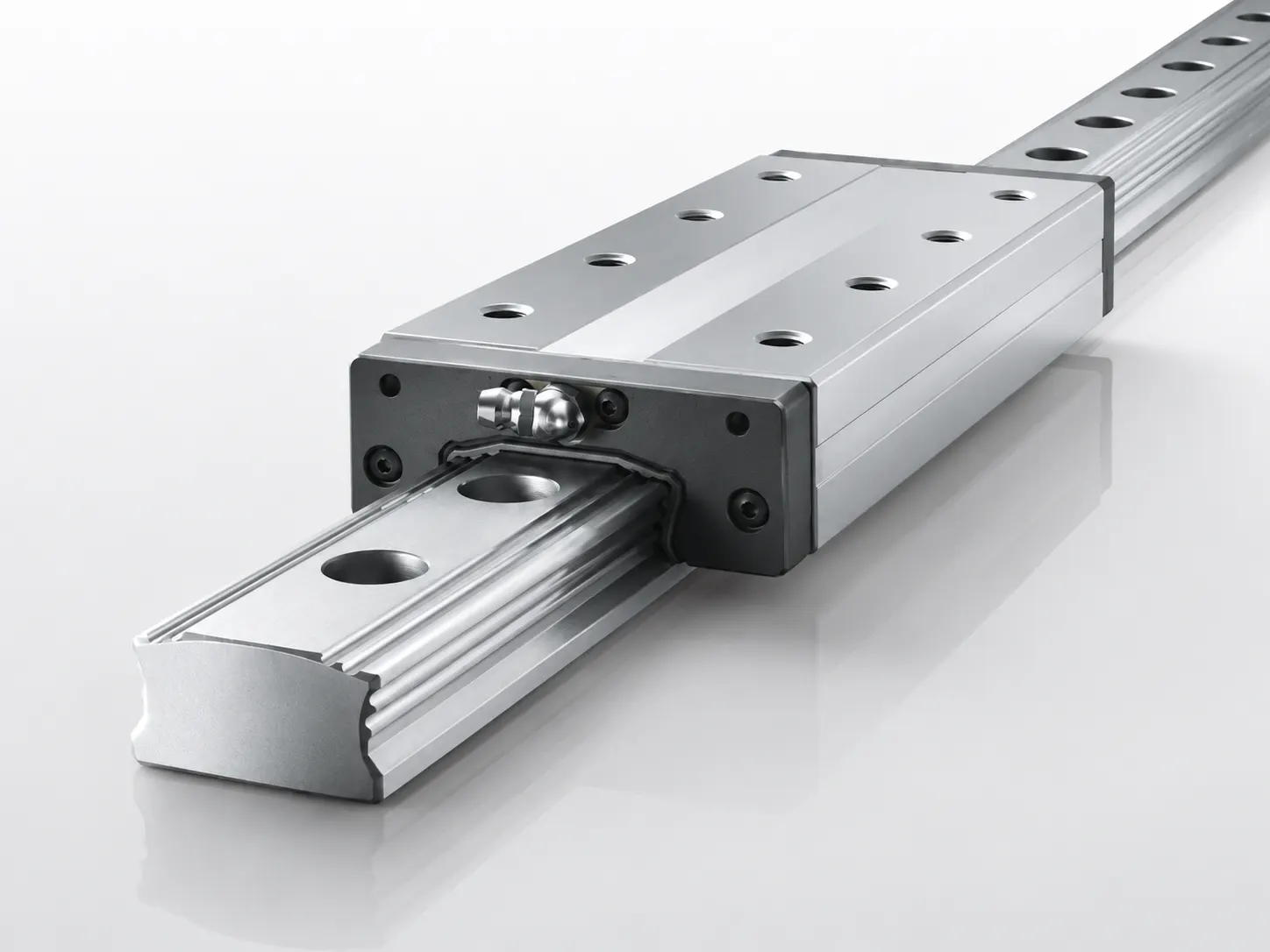
TRG FN I — Low Friction Grease for Linear Motion
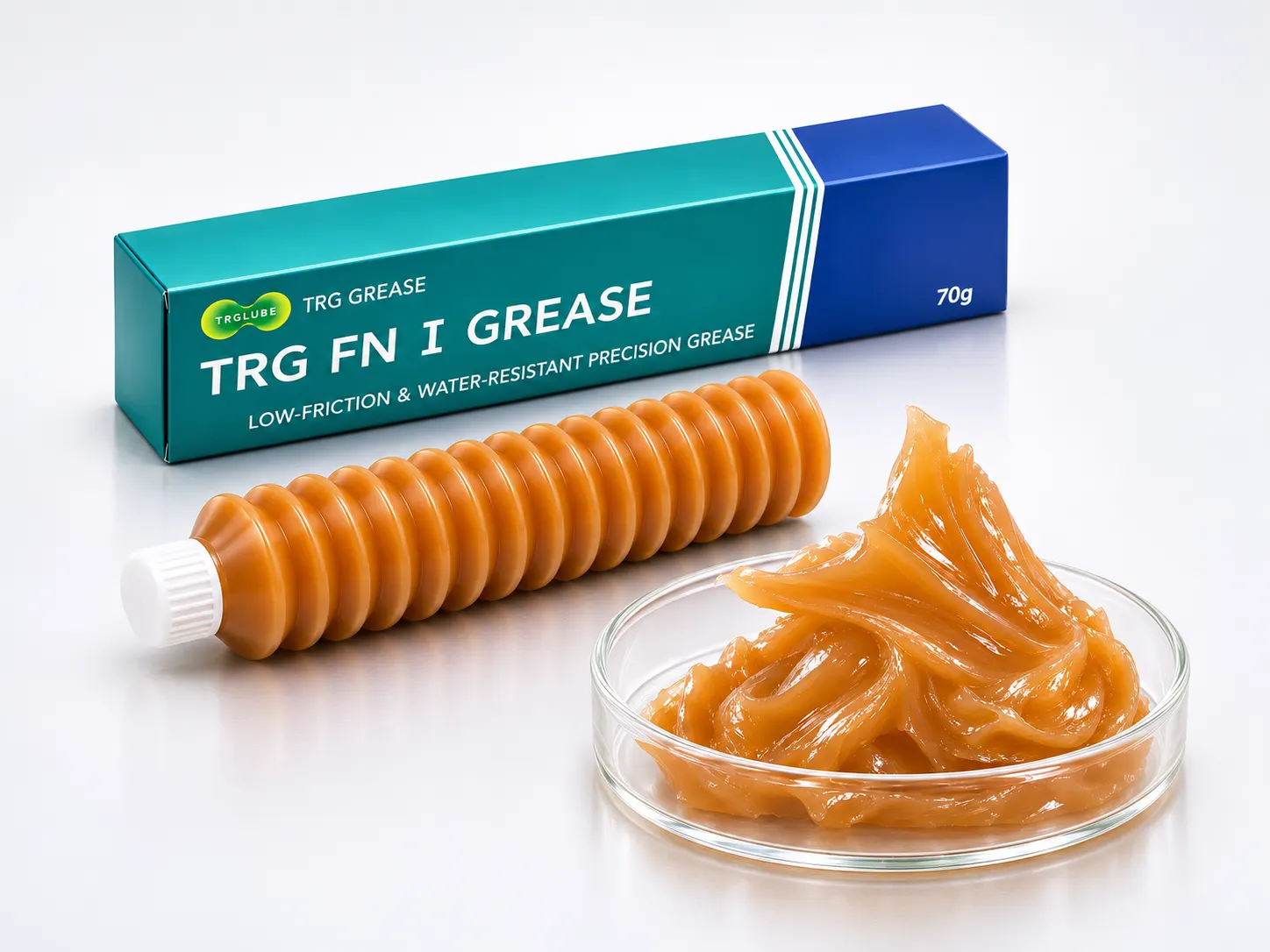
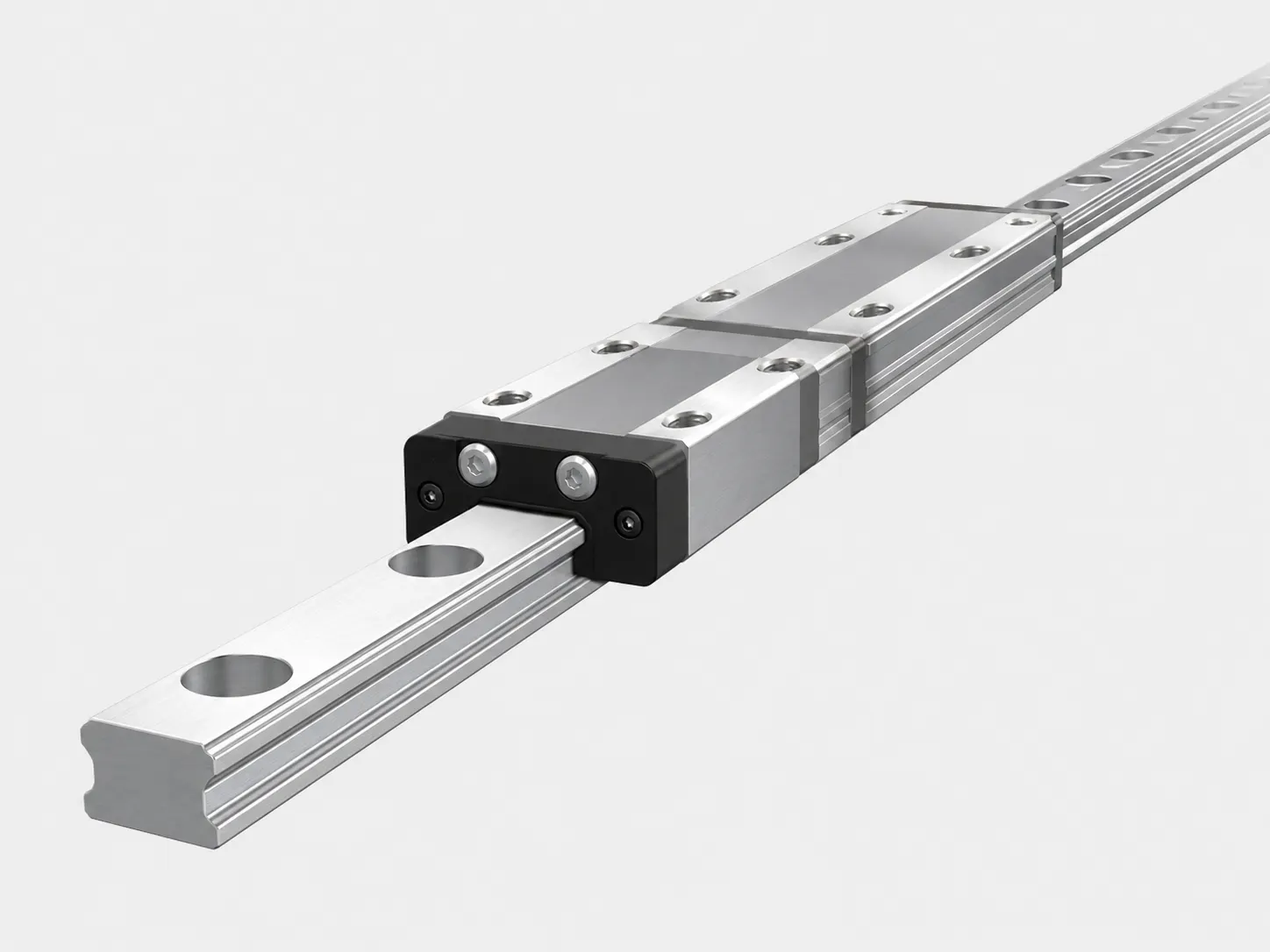
For high-speed, long-stroke linear guides, engineers must balance base oil viscosity, actual travel speed, and raceway load. TRG FN Ⅰ utilizes a 25 mm²/s synthetic base oil and urea thickener, serving as a primary candidate for low sliding resistance applications. Final selection should be confirmed through trial runs on specific guide models.
Key Applications:
- High-Speed Linear Guides
- Long-Stroke Linear Motion Modules
- Precision Linear Actuators
- Automated Positioning Systems
Compare Grease Options for Different Motion Requirements
Different precision motion profiles require specific grease characteristics. Do not assume the lowest viscosity always guarantees the best performance across all conditions.
| Product Grade | Main Application Focus | Base Oil / Thickener | Base Oil Viscosity (40°C) | Worked Penetration | Catalog Temp Range |
|---|---|---|---|---|---|
| TRG FN I | High-speed, long-stroke guides; Low sliding resistance | Synthetic / Urea | 25 mm²/s | 285 | −45 to +160°C |
| TRG FN V | Precision micro-motion; Stable rolling resistance | Synthetic / Lithium | 100 mm²/s | 315 | −40 to +120°C |
| TRG FN VI | High-speed ball screws; Low heat generation focus | Synthetic / Urea | 25 mm²/s | 285 | −45 to +160°C |
| TRG FN VII | Wide-speed range linear motion; Wear consideration | Refined Mineral / Urea | 20 mm²/s | 325 | −20 to +120°C |
Balancing Low Friction with Lubrication Film Protection
The Friction Trade-off
Reducing viscous drag and maintaining sufficient lubrication film are not always aligned goals. Low-viscosity base oils help control viscous resistance in high-speed or low-load conditions, but film strength must be verified under higher loads to prevent metal-to-metal contact.
Holistic Selection
Product selection must integrate load, travel speed, temperature, contact geometry, and lubrication method. A grease with high extreme-pressure (EP) test values is not automatically suitable for precision mechanisms requiring low starting resistance.
Engineering Evaluation
Engineers should not pursue "low friction" at the expense of wear protection. TRG FN I is formulated to provide a balanced lubrication film specifically for the operational envelope of high-speed precision linear guides.
Starting Resistance vs. Running Resistance: Why Both Matter
Starting Resistance
Refers to the drive force required when equipment moves for the first time after downtime, or operates at very low speeds. It is heavily influenced by low temperatures, grease consistency, and static mechanical preload.
- • Critical for small servo motors with limited peak torque.
- • A grease excellent for low-temp starting may not be ideal for continuous high speed.
Running Resistance
The resistance encountered once the equipment is in stable motion. It is affected by travel speed, applied load, base oil viscous drag (churning), and the operating temperature generated during continuous movement.
- • Crucial for long-stroke, high-speed applications to prevent excessive heat and drag.
- • A grease with low high-speed running resistance might still have higher breakaway torque.
How to Select Grease for Low-Resistance Linear Motion
Selecting the right lubricant requires evaluating the entire mechanical system. Key parameters to provide when requesting engineering support include:
- Travel Speed
- Stroke Length
- Applied Load & Preload
- Starting Torque Limits
- Operating Temperature
- Guide or Screw Type
- Grease Filling Quantity
- Existing Lubricant
Preliminary Selection Guide
| Operating Requirement | Main Technical Concern | Evaluate TRG Grade |
|---|---|---|
| High-Speed Long-Stroke Guide | Sliding resistance & churning drag | FN I |
| Precision Micro-Motion | Stable rolling resistance & stick-slip | FN V |
| High-Speed Ball Screw | Heat generation and operating torque | FN VI |
| Wide-Speed Linear Motion | Wear and vibration-related conditions | FN VII |
*This table serves as an initial application guide. It is not a definitive compatibility conclusion. Trial validation is recommended.
Low Friction Grease Technical Specifications
| Technical Property | TRG FN I | TRG FN V | TRG FN VI | TRG FN VII |
|---|---|---|---|---|
| Base Oil | Synthetic Oil | Synthetic Oil | Synthetic Oil | Refined Mineral Oil |
| Thickener | Urea | Lithium | Urea | Urea |
| Base Oil Viscosity at 40°C (mm²/s) | 25 | 100 | 25 | 20 |
| Worked Penetration (25°C / 60 Strokes) | 285 | 315 | 285 | 325 |
| Dropping Point (°C) | 261 | 220 | 261 | 185 |
| Four-Ball Weld Load (N) | 3,089 | 1,236 | - | 3,089 |
| Catalog Operating Temp (°C) | −45 to +160 | −40 to +120 | −45 to +160 | −20 to +120 |
| Packaging | 70g / 400g | 70g / 400g | 70g / 400g | 70g / 400g |
Low Friction Grease Applications in Industrial Motion Systems
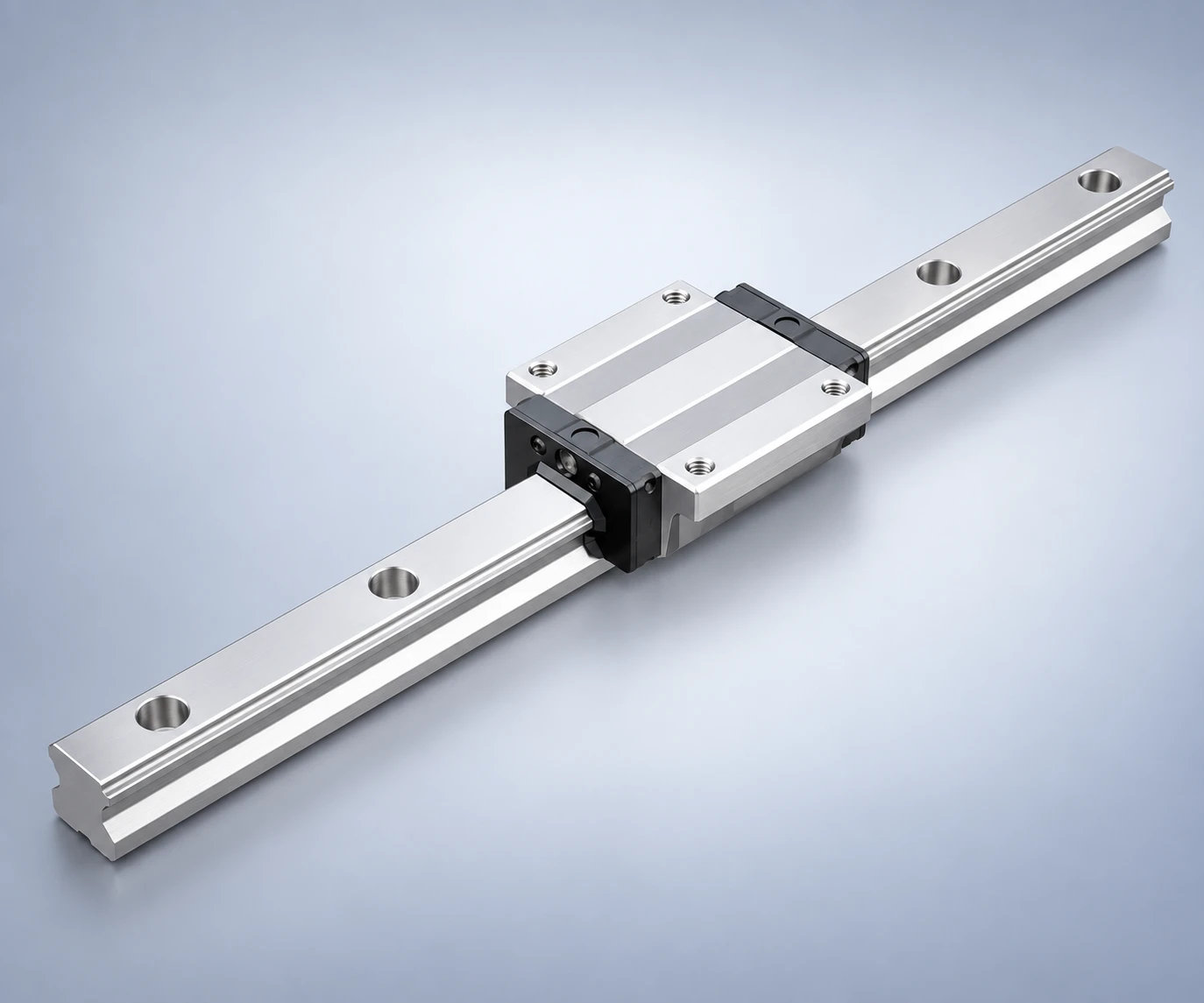
High-Speed Linear Guides
Long-stroke rails with rolling carriages require careful control of drive force. TRG FN I helps manage viscous drag during continuous high-speed travel. Buyers must verify carriage preload and speed limits.
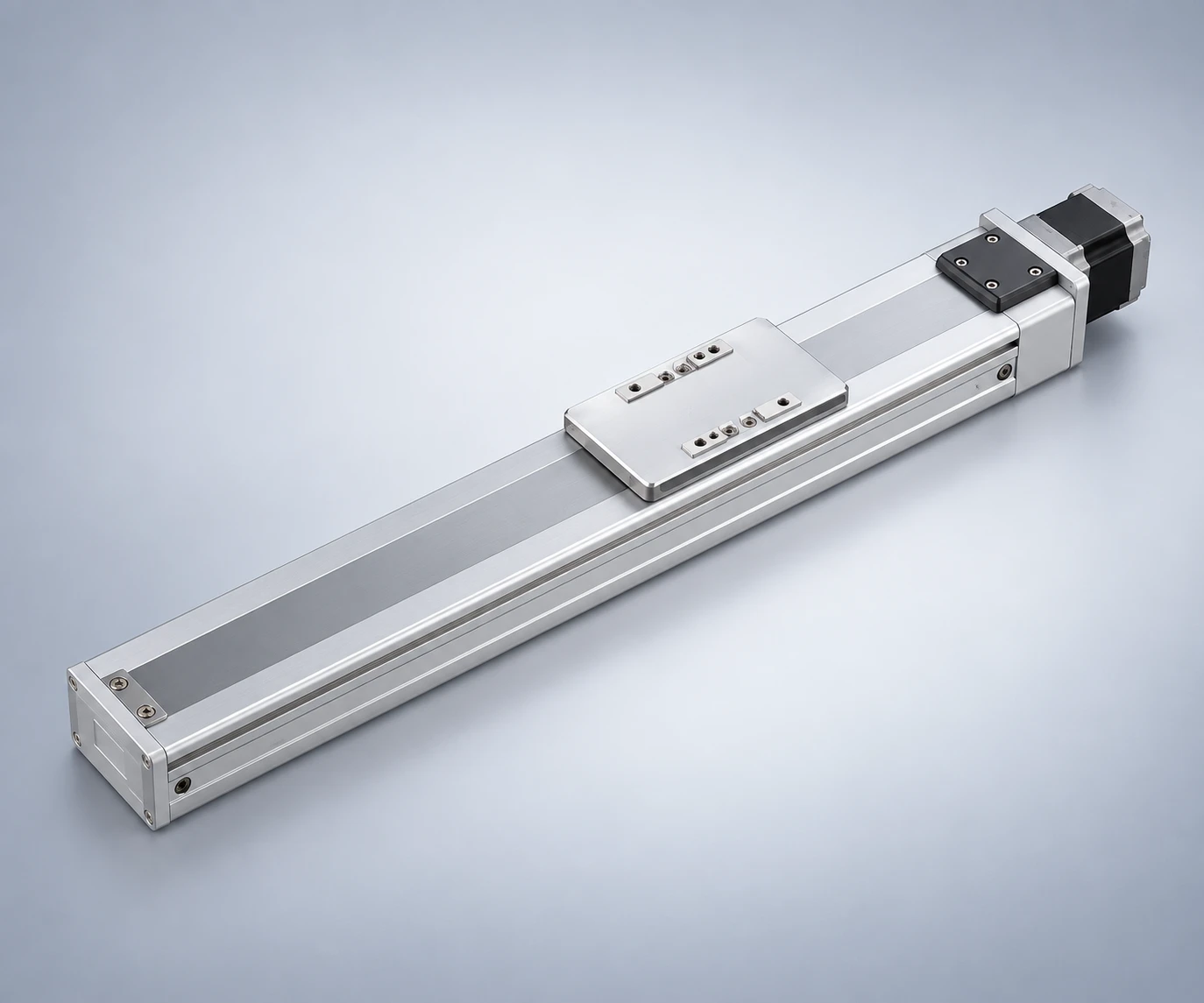
Precision Linear Actuators
Compact linear modules driven by servo motors face reciprocating motion and torque limits. Low friction grease aids in maintaining smooth travel. Verify motor specifications and stroke length.
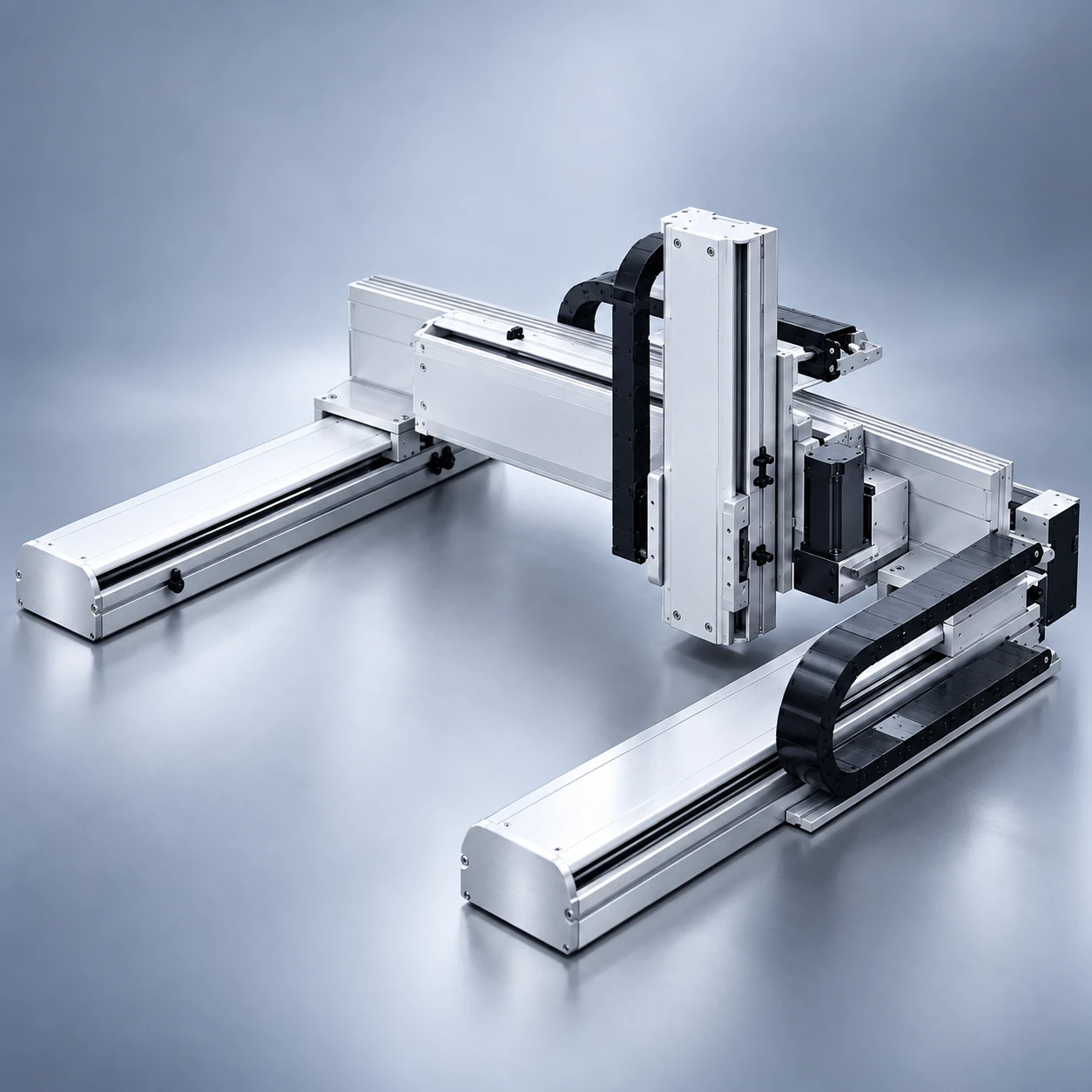
Automated Positioning Systems
Multi-axis platforms experience frequent acceleration and deceleration. Mechanical resistance must be predictable. TRG FN I offers consistent lubrication properties for dynamic positioning.

CNC Equipment
High-speed feed guides under varying loads require stable lubrication despite coolant presence. Proper grease selection helps maintain feed rates while considering water resistance and maintenance intervals.

Precision Inspection Equipment
Measurement stages require stable low-speed position adjustments and high repeatability. TRG FN V is often evaluated here for its stable rolling resistance in micro-stroke conditions.

Industrial Electronic Assembly
Precision transfer modules operate in short cycles with strict equipment volume and motor sizing limits. Low friction grease helps maximize the efficiency of compact drive systems.
Low Friction Grease vs. General-Purpose Grease
Low Friction Grease (e.g., TRG FN I)
- ✓ Application Focus: High-speed, long-stroke precision motion.
- ✓ Base Oil Viscosity: Generally lower (e.g., 25 mm²/s) to reduce viscous drag.
- ✓ Starting Resistance: Optimized for lower initial breakaway torque.
- ✓ Load Considerations: Prioritizes speed and low resistance; extreme heavy loads may require different formulations.
General-Purpose Grease
- • Application Focus: Broad utility across standard bearings, moderate speeds, and higher loads.
- • Base Oil Viscosity: Typically higher (e.g., 100-220 mm²/s) for thicker film under load.
- • Starting Resistance: Can be noticeably higher, especially in compact servo-driven systems.
- • Note: General-purpose greases are highly valuable for heavily loaded or contaminated machinery where low friction is not the primary constraint.
Grease vs. Oil: Which Fits Your Low-Friction Application?
| Factor | Low Friction Grease | Lubricating Oil |
|---|---|---|
| Viscous Resistance | Higher than oil due to thickener, but minimized in specific low-friction formulations. | Generally lower, excellent for ultra-high speeds. |
| Lubrication Retention | Excellent. Stays in the raceway, simplifying equipment design. | Requires complex sealing, circulation systems, or continuous dripping. |
| Maintenance Access | Periodic relubrication via grease nipples or cartridges. Ideal for most automation. | Requires oil baths, pumps, or constant monitoring of oil levels. |
The final choice depends on your equipment's lubrication channels, operating speed, load, and maintenance protocol.
Read the Linear Motion Lubrication GuideHow to Apply Grease Without Excessive Running Resistance
Applying too much grease can negate the benefits of a low-friction formulation by increasing churning resistance. Follow OEM guidelines and safe maintenance practices.
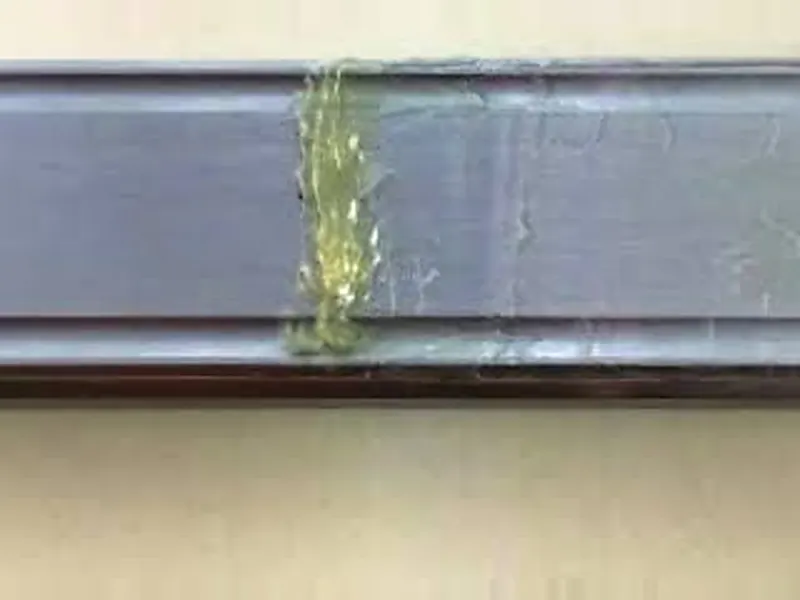
Check Existing Lubricant
Confirm the current grease type, equipment model, and compatibility before adding new grease.
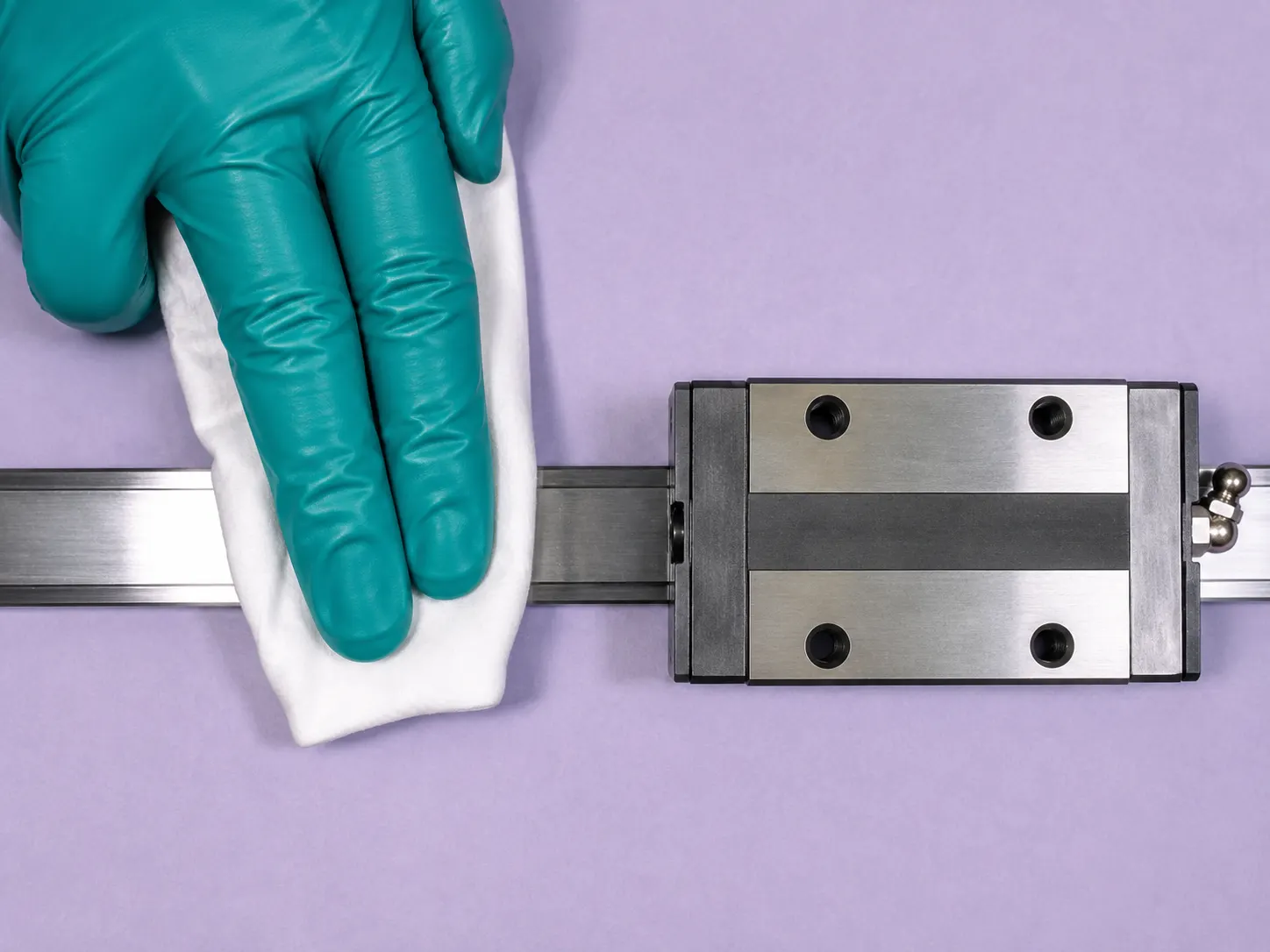
Clean the Area
Wipe clean the grease nipples, injection ports, and accessible raceways to prevent contamination.

Apply Specified Quantity
Inject only the volume specified by the linear guide or ball screw OEM. Do not overfill.
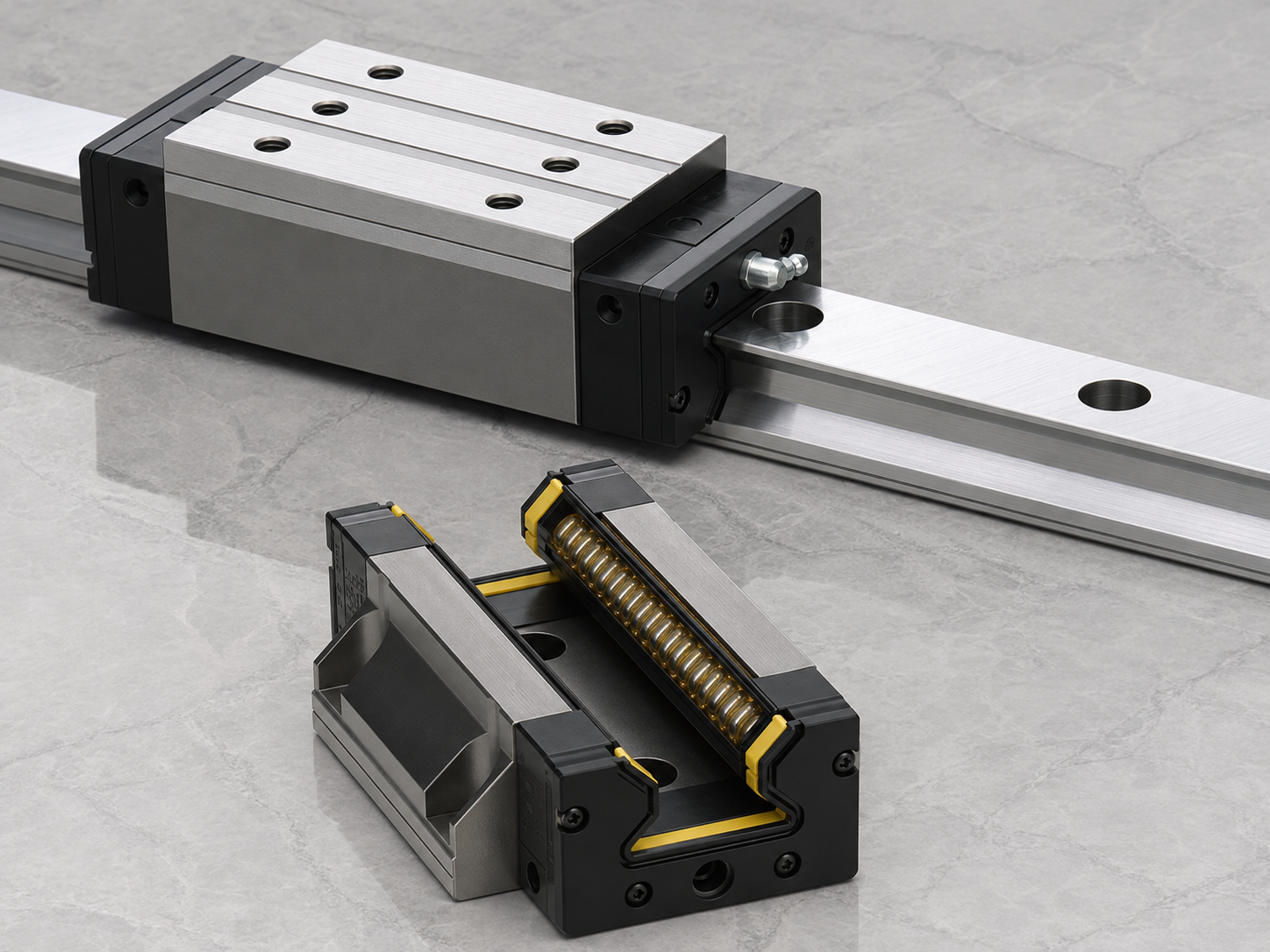
Distribute the Grease
Perform low-speed, full-stroke movements as directed by the equipment manual to distribute the grease evenly.
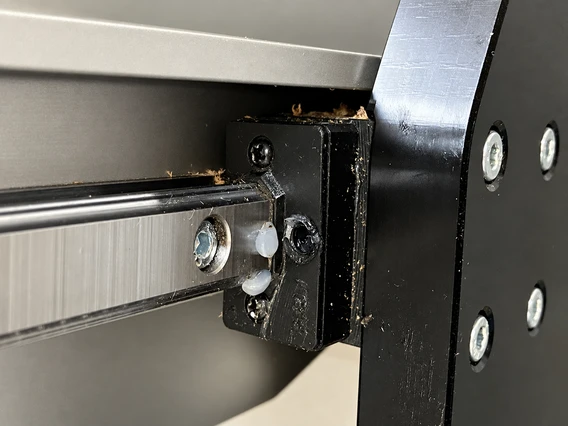
Verify Motion Resistance
Under safe conditions, verify carriage movement, drive force, and check for any abnormal servo alarms.
Evaluating Alternative Greases for Low-Friction Applications
For B2B buyers seeking alternative supply sources, the following table provides supplier-referenced models for evaluation. These are not independently validated unconditional replacements.
| Existing Grease Reference | TRG Product for Evaluation |
|---|---|
| THK AFA | TRG FN I |
| THK AFF | TRG FN V |
| THK AFG | TRG FN VI |
| THK AFJ | TRG FN VII |
Important: When changing greases, verify base oil type, thickener chemistry, and additive compatibility. Do not assume greases can be mixed simply because their base oil viscosities match. Consult equipment OEM instructions.
Technical Documentation and Purchasing Support
Documented Specifications
Verified product parameters and test methods to establish technical credibility for engineering review.
Selection Support
Submit your speed, load, stroke, and current grease model for preliminary candidate evaluation.
Packaging Identification
Clear TRG FN model identification on 70g and 400g cartridges to assist procurement and maintenance teams.
Documentation Inquiry
Inquire about the availability of TDS, SDS, sample validation protocols, and other procurement documents.
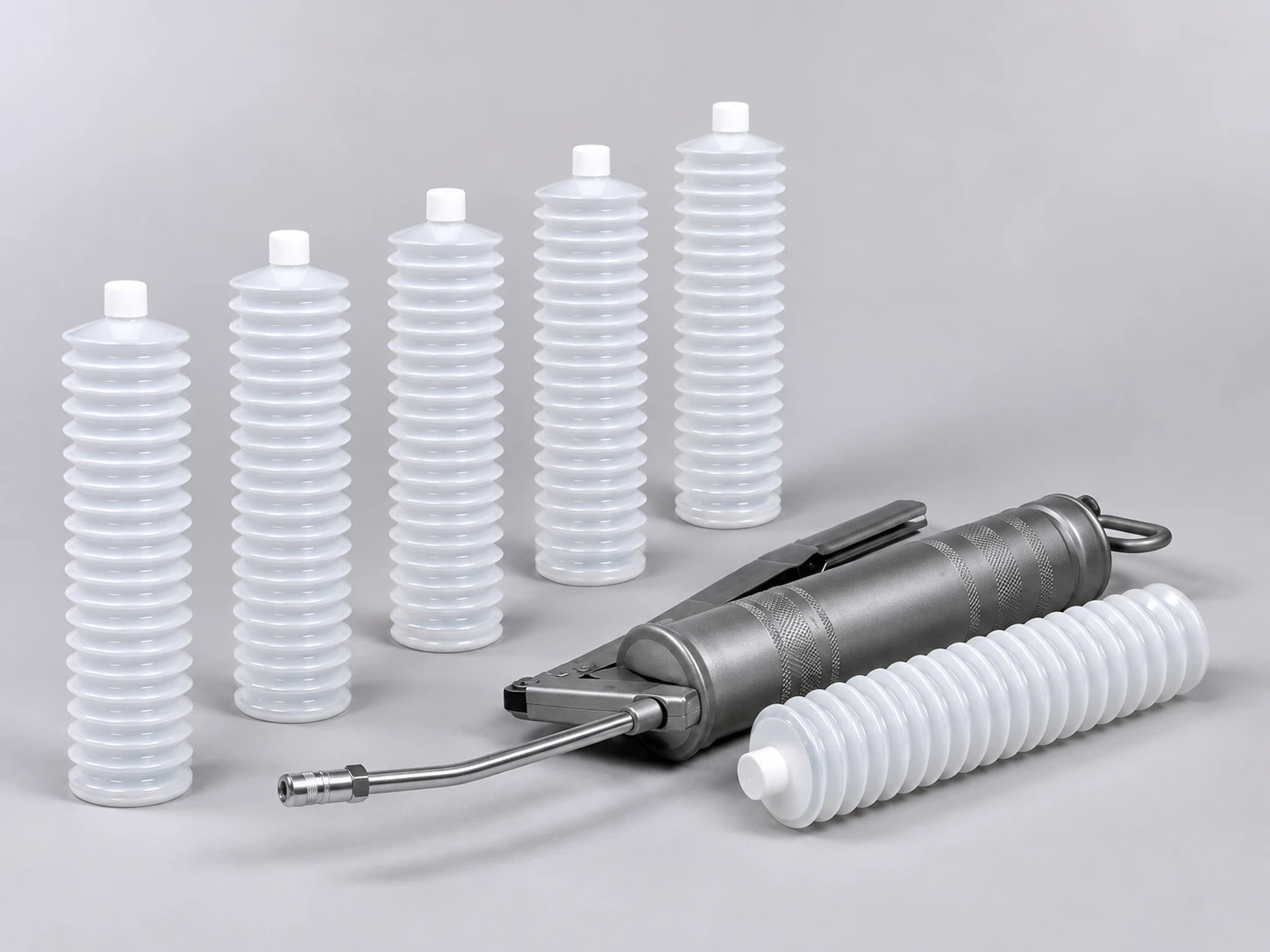
Low Friction Grease Packaging for Industrial Buyers
Available in standard industrial formats to support equipment assembly, scheduled maintenance, and linear motion system integration.
70g Bellows Cartridge
For small actuators and precision stages.
400g Bellows Cartridge
For long-stroke guides and CNC maintenance.
When ordering, please confirm packaging capacity, grease gun interface compatibility, existing equipment models, and required quantities. MOQ and sample availability require confirmation based on your region.
Frequently Asked Questions About Low Friction Grease
What grease is suitable for high-speed linear guides?
Does lower base oil viscosity always mean lower friction?
Can low friction grease reduce starting torque?
Can too much grease increase rolling resistance?
What is the difference between low friction grease and general-purpose grease?
Can low friction grease improve positioning accuracy?
Can TRG FN I replace THK AFA grease?
Related Precision Motion Greases and Technical Resources
Linear Guide Grease
Explore lubrication options for varying speeds, loads, and contamination environments.
Ball Screw Grease
Compare requirements for high-speed torque and heat generation in ball screws.
Fretting Resistant Grease
Solutions for short-stroke applications and micro-vibration wear protection.
Grease Compatibility Guide
Understand the risks and procedures when changing lubricant types.
Need Low Friction Grease for Your Motion System?
Provide your equipment details, operating speed, and current lubrication challenges. Our engineering team will assist with TRG FN series product matching and sample evaluation.