
English (EN)
Ball Screw Grease for Precision Linear Motion Systems
Engineered for ball screws, nut recirculating raceways, and precision actuators. Our TRG FN series covers high-speed, elevated load, and low-friction requirements across different operating environments. Available in verified 70g and 400g cartridges for industrial procurement and maintenance.
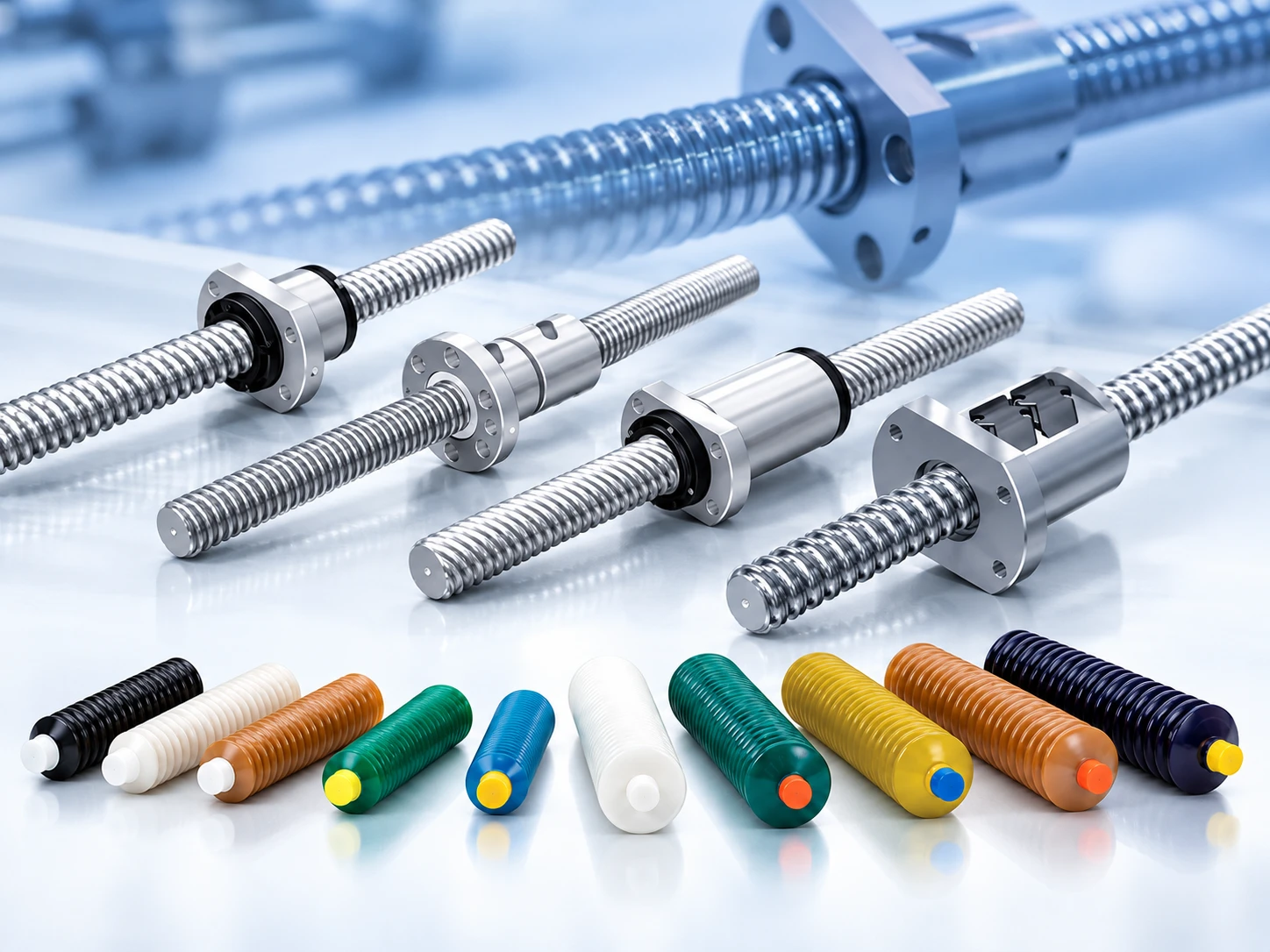

What Is Ball Screw Grease and Why Does Selection Matter?
A ball screw converts rotational motion into linear displacement via steel balls circulating between the screw shaft and the nut raceway. Ball screw grease plays a critical role in forming a protective lubrication film, reducing wear at rolling contact points, and providing essential rust protection.
Selection is not universal. Different engineering conditions demand specific grease formulations:
-
High-Speed Operation Requires low base oil viscosity to minimize operating resistance, torque increase, and internal heat generation.
-
Elevated Axial Loads Demands higher viscosity or extreme pressure (EP) additives to maintain film strength and prevent metal-to-metal contact.
-
Short Stroke & Micro-Oscillation Needs excellent anti-fretting properties to protect raceways when balls do not complete a full circulation loop.
Common Lubrication Problems in Ball Screw Systems
Identifying the root cause of motion anomalies helps engineers select the appropriate grease formulation and maintenance schedule.
Excessive Heat & Torque
During continuous high-speed RPMs, incorrect grease viscosity or over-lubrication can cause severe churning resistance, leading to nut temperature rise and increased driving torque.
Raceway Wear Under Load
High axial loads or heavy preloads can rupture inadequate lubrication films, resulting in premature wear of the steel balls and raceways.
Fretting Corrosion
In short-stroke applications where balls merely vibrate or move slightly without full rotation, localized oil film depletion causes micro-fretting wear.
Contamination & Washout
Exposure to CNC coolants, dust, or moisture can degrade the thickener structure, causing grease loss and requiring specific water-resistant formulations.
High Maintenance Downtime
Using general-purpose grease often leads to frequent relubrication intervals, increasing machine downtime and manual maintenance costs.
Compatibility Issues
Mixing greases with incompatible thickeners (e.g., Lithium and certain Polyureas) during brand replacement can cause severe softening and lubrication failure.
Ball Screw Grease Products for Different Operating Conditions
Select the appropriate TRG FN series grease based on your equipment's speed, load, and environmental constraints.
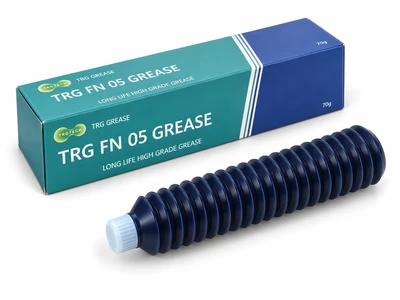
TRG FN VI
Low-Torque High-Speed Grease
For ball screws requiring continuous high-speed operation, engineers must manage nut temperature rise and driving torque. TRG FN VI utilizes a synthetic base oil with a low 40°C viscosity of 25 mm²/s to minimize motion resistance.
- Base Oil Viscosity: 25 mm²/s (40°C)
- Operating Temp: -45 to 160°C
- Packaging: 70g, 400g
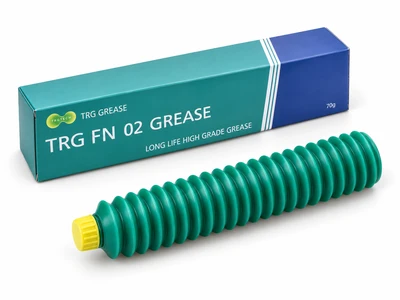
TRG FN II
Multipurpose EP Grease
Designed for standard to elevated load conditions where film strength is critical. Formulated with refined mineral oil and lithium thickener, it provides excellent mechanical stability and load-carrying capacity for general automation equipment.
- Base Oil Viscosity: 170 mm²/s (40°C)
- Operating Temp: -15 to 100°C
- Packaging: 70g, 400g

TRG FN III
Anti-Fretting Grease
Engineered specifically for short-stroke operations and micro-oscillation environments where conventional greases fail to maintain a protective film, helping to prevent localized fretting corrosion on raceways.
- Base Oil Viscosity: 25 mm²/s (40°C)
- Operating Temp: -54 to 177°C
- Packaging: 70g, 400g
Other models including FN I (Water Resistant), FN IV (Cleanroom), FN V (Low Dust), and FN VII (Wide Range) are also available.
Contact us for full product catalogHow to Choose Grease for Your Ball Screw
Selecting the right lubricant requires balancing multiple engineering parameters. The final choice should align with equipment manufacturer specifications and field validation.
1. Operating Speed & Heat
High rotational speeds (RPM) generate heat. Lower base oil viscosity helps reduce churning resistance and temperature rise.
2. Axial Load and Preload
Heavily preloaded nuts or high axial loads require a stronger lubrication film, often achieved through higher viscosity or EP additives.
3. Stroke Length
For short strokes where balls do not fully circulate, prioritize anti-fretting properties to prevent localized metal wear.
4. Cleanroom Requirements
Semiconductor or optical equipment requires low-particle-generation (low-dust) grease. Note: Low-dust does not automatically mean vacuum-compatible.
Quick Selection Reference
| Primary Condition | Key Requirement | Recommended TRG Series |
|---|---|---|
| High Speed / Low Torque | Low viscosity, low heat generation | TRG FN VI |
| General Purpose / Moderate Load | Mechanical stability, EP properties | TRG FN II |
| Short Stroke / Oscillation | Anti-fretting, film retention | TRG FN III |
| Cleanroom Environment | Low particle generation | TRG FN IV / FN V |
| Wide Temp / Vibration | Broad temperature range stability | TRG FN VII |
* This table provides general guidance. Actual performance depends on specific equipment design and operational variables.
TRG Grease Technical Specifications
Base oil viscosity helps engineers evaluate potential lubrication resistance under different operating conditions. Worked penetration describes grease consistency and should not be confused with base oil viscosity.
| Model | Base Oil Type | Thickener | Base Oil Viscosity (40℃) | Operating Temp Range |
|---|---|---|---|---|
| FN I | Synthetic Oil | Urea | 25 mm²/s | -45 to 160℃ |
| FN II | Refined Mineral Oil | Lithium | 170 mm²/s | -15 to 100℃ |
| FN III | Synthetic Oil | Urea | 25 mm²/s | -54 to 177℃ |
| FN IV | Synthetic Oil | Urea | 99 mm²/s | -40 to 180℃ |
| FN V | Synthetic Oil | Lithium | 100 mm²/s | -40 to 120℃ |
| FN VI | Synthetic Oil | Urea | 25 mm²/s | -45 to 160℃ |
| FN VII | Refined Mineral Oil | Urea | 20 mm²/s | -20 to 120℃ |
* Important: Dropping point is not the maximum continuous operating temperature. Data based on TRG technical catalog.
Request Full Technical DatasheetGrease vs. Oil: Which Lubrication Method Fits Your Ball Screw?
While grease is the most common lubrication method due to its simplicity and retention, high-speed or continuously operating machines might require forced oil lubrication for heat dissipation.
| Feature | Grease | Oil |
|---|---|---|
| Delivery System | Simple (Fittings/Cartridges) | Complex (Pumps/Piping) |
| Heat Management | Limited cooling effect | Excellent heat dissipation |
| Maintenance | Periodic relubrication | Continuous monitoring |
| Contamination Control | Acts as a physical seal | Washes away debris |
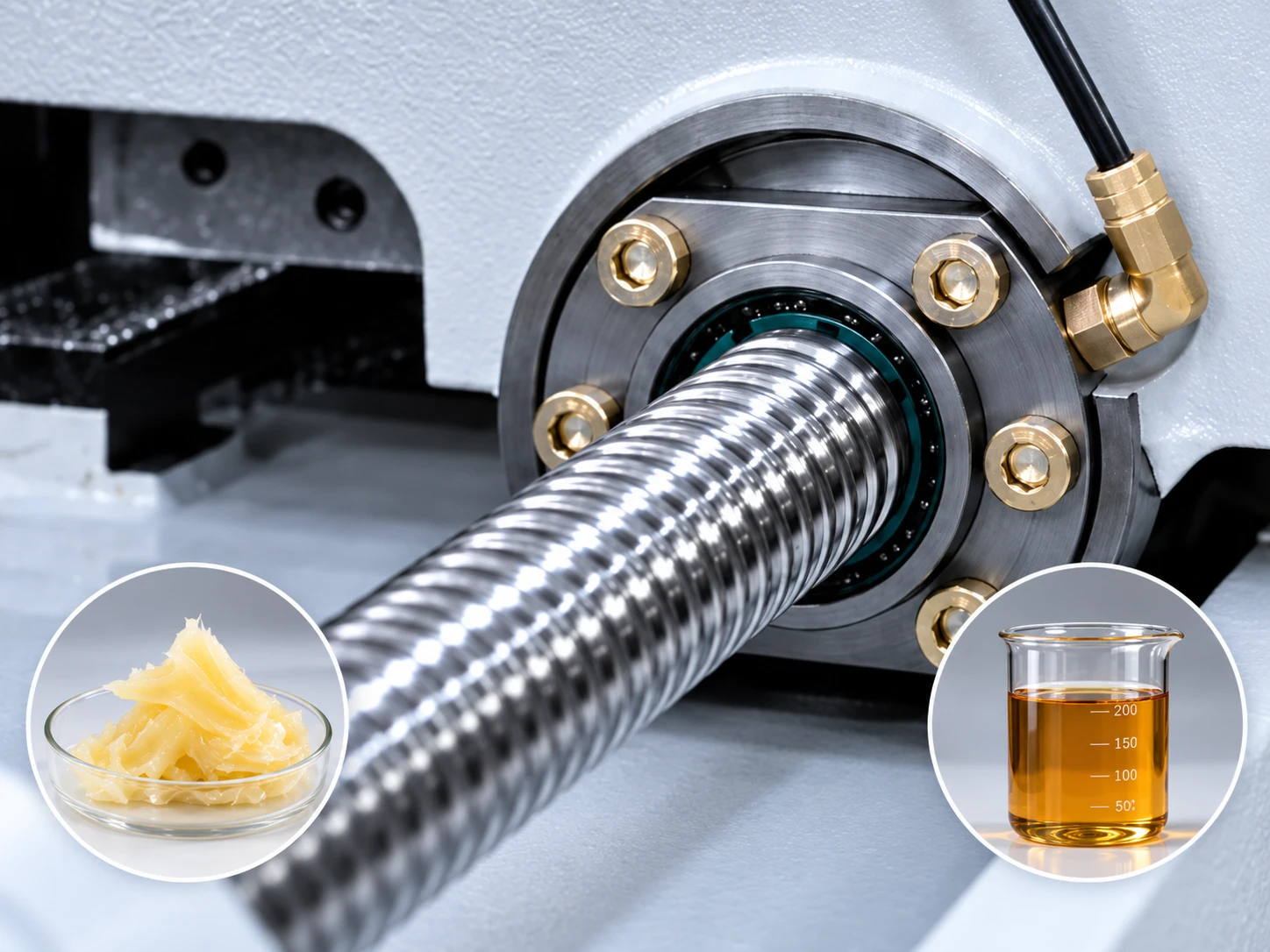
Ball Screw Grease Applications Across Industrial Equipment
Understanding the specific motion constraints of your equipment is vital for accurate grease selection.
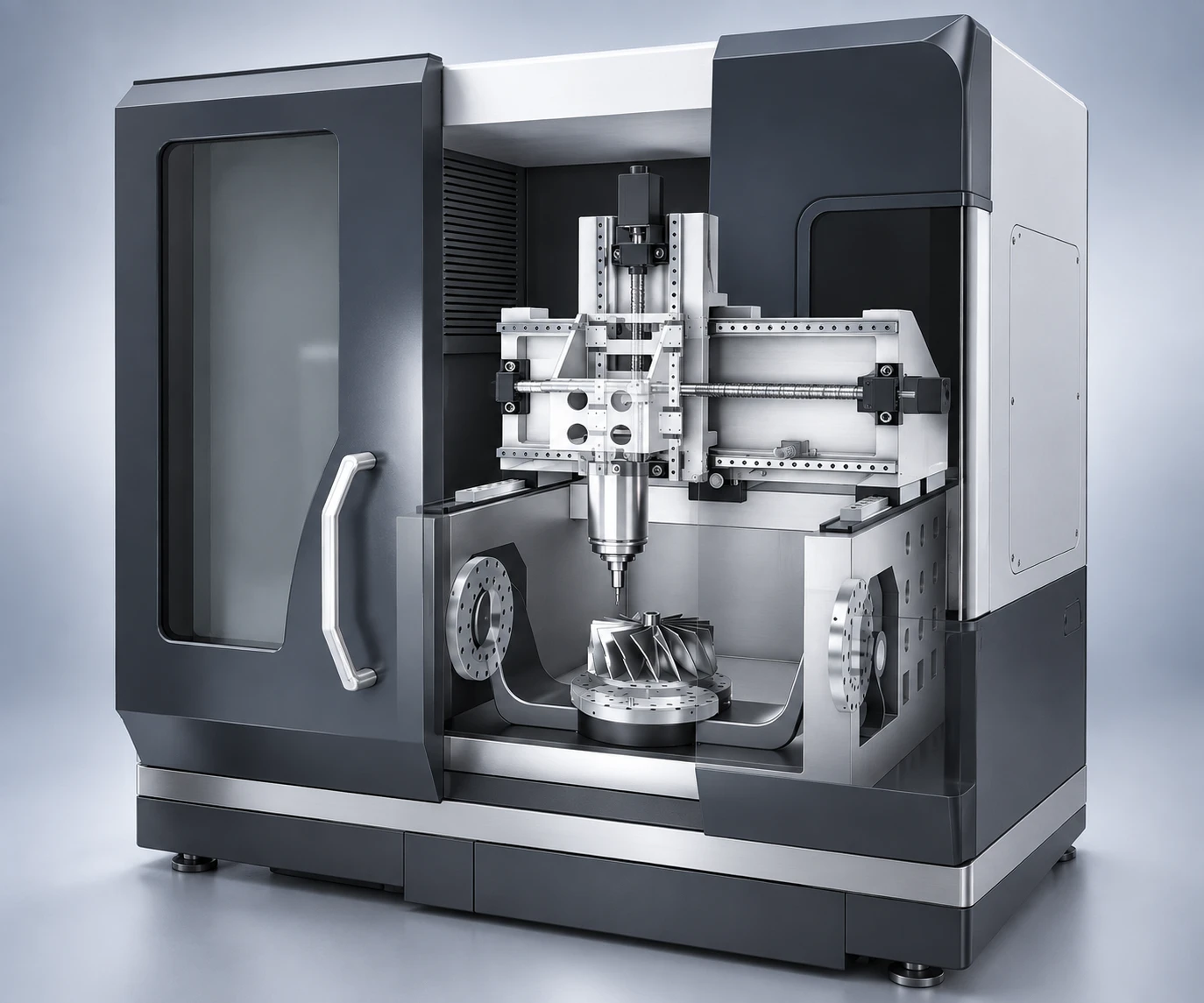
CNC Machine Tools
High-speed feed axes experience periodic load changes and coolant exposure risks. Evaluate seal conditions and consider TRG FN VI for low torque or FN II for heavier loads.

Industrial Automation
General pick-and-place robots and transfer lines require stable, long-lasting lubrication. TRG FN II provides excellent mechanical stability for standard automation.

Precision Linear Actuators
Often involving short strokes and rapid positioning. Requires anti-fretting properties to protect raceways. TRG FN III is a primary candidate for evaluation.

Semiconductor Equipment
Requires strict control over particle generation to maintain cleanroom standards. Specialized low-dust formulations like TRG FN IV are necessary.

SMT & Electronic Assembly
High-speed, repetitive micro-movements demand low friction and low dust properties to ensure placement accuracy without contaminating PCBs.

Packaging & Material Handling
Subject to varying loads, dust, and continuous operation. Requires robust multi-purpose grease to extend maintenance intervals and reduce downtime.
How to Apply and Maintain Ball Screw Grease
Correct application is as important as grease selection. Note: Over-lubrication can increase operating resistance and temperature.
Inspect & Clean
Check existing grease state. Clean exposed raceways and lubrication inlets to prevent pushing dirt into the nut.
Apply Grease
Inject grease through the fitting or specified hole. Volume depends on nut internal space—consult OEM guidelines.
Distribute Film
Run the ball screw at a low speed back and forth to distribute the grease evenly across the raceways and balls.
Wipe & Schedule
Wipe away excess grease purged from the seals. Establish a relubrication interval based on actual operating hours.
Evaluating Alternative Greases for Existing Ball Screw Systems
For procurement managers looking to replace existing OEM greases (such as THK or NSK), direct replacement requires careful evaluation of thickener types, base oil viscosity, and operating temperatures.
TRGLUBE provides the TRG FN series with specific positioning references to assist in your technical evaluation. Note: These are reference points provided by the manufacturer for evaluation, not unconditional identical formulas.
Evaluation Reference Guide
- If using THK AFG (High Speed) Evaluate TRG FN VI
- If using THK AFB-LF (Multipurpose) Evaluate TRG FN II
- If using THK AFC (Anti-Fretting) Evaluate TRG FN III

Technical Documentation and Supply Support
Reliable industrial procurement requires verifiable technical data and stable manufacturing partnerships.

Product Specifications
We provide essential parameters for procurement comparison, including base oil viscosity, worked penetration, dropping point, and thickener types based on TRG catalog data.

Testing Methods
Technical data is derived using standard testing methodologies (such as JIS K 2220 or ASTM standards) for consistency and reliability in engineering evaluation.

Manufacturing Partnership
TRGLUBE partners with established specialty lubricant manufacturers to ensure stable production, packaging, and quality control capabilities.

Procurement Support
Our team assists with MOQ confirmation, lead times, and packaging requirements to support both equipment assembly and MRO maintenance needs.
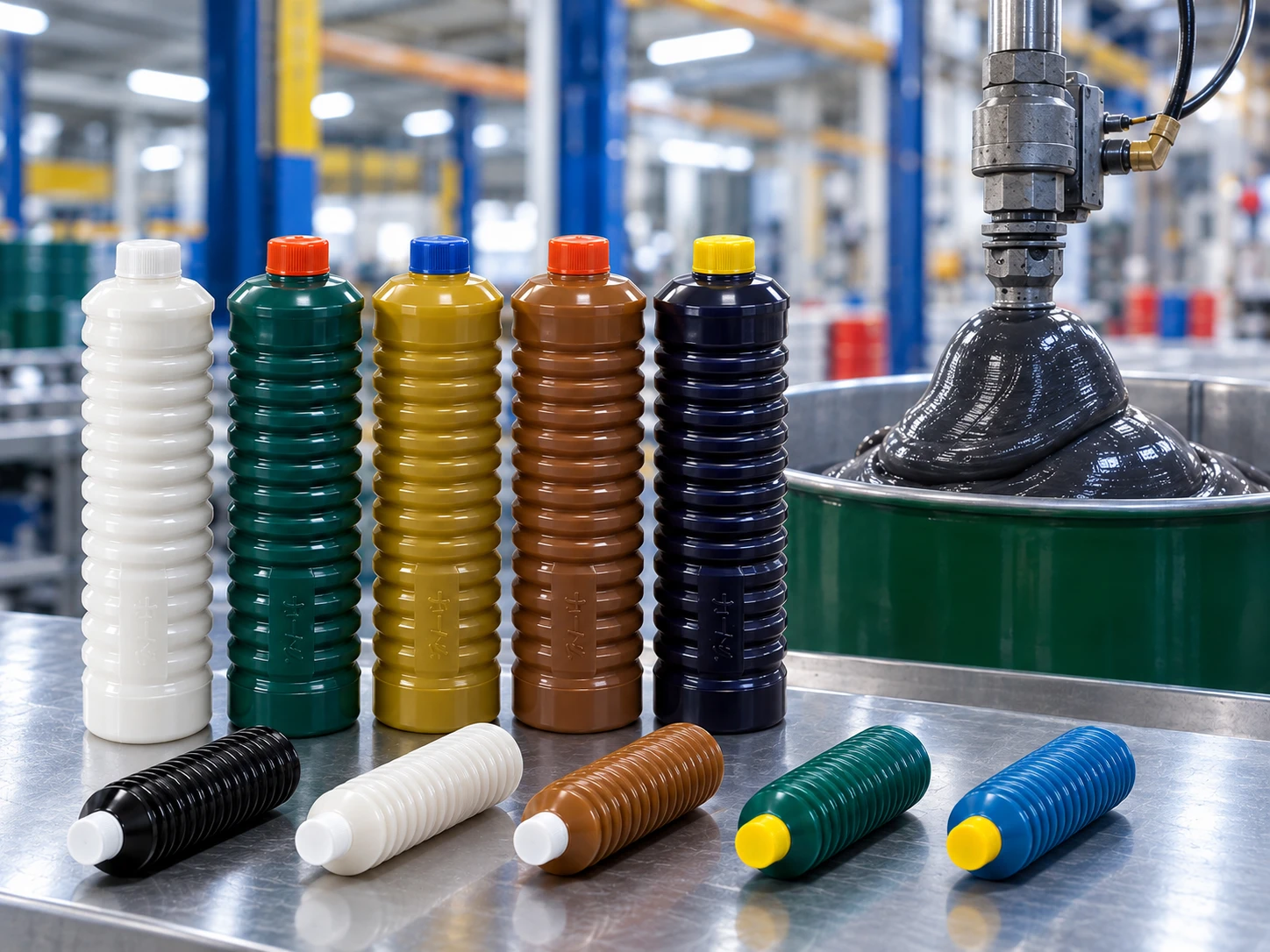
Grease Packaging for Equipment Maintenance and Industrial Procurement
TRG FN series greases are available in standard cartridge sizes to suit different maintenance routines and grease gun tools.
-
70g Bellows Cartridge
Ideal for precision maintenance, small linear modules, and specialized compact grease guns. Easy to handle in tight machine spaces.
-
400g Standard Cartridge
Designed for heavy machinery, centralized lubrication system reservoirs, and standard industrial grease guns. Suitable for larger volume MRO.
-
Compatibility Verification
Please confirm your existing grease gun thread size and cartridge dimensions to ensure physical compatibility with our packaging before bulk ordering.
Ball Screw Grease FAQs
Common engineering and procurement questions regarding lubrication selection.
What grease should be used for high-speed ball screws?
How often should ball screw grease be replenished?
Can TRG grease replace an existing THK grease?
What happens when too much grease is added?
Can different grease brands be mixed?
What information is needed to select a ball screw grease?
Related Linear Motion Lubricants and Technical Resources
Need Grease for Your Ball Screw Application?
Submit your existing grease model, equipment application, operating conditions, and estimated volume. Our team will help evaluate the appropriate TRG FN series product and packaging options for your procurement needs.
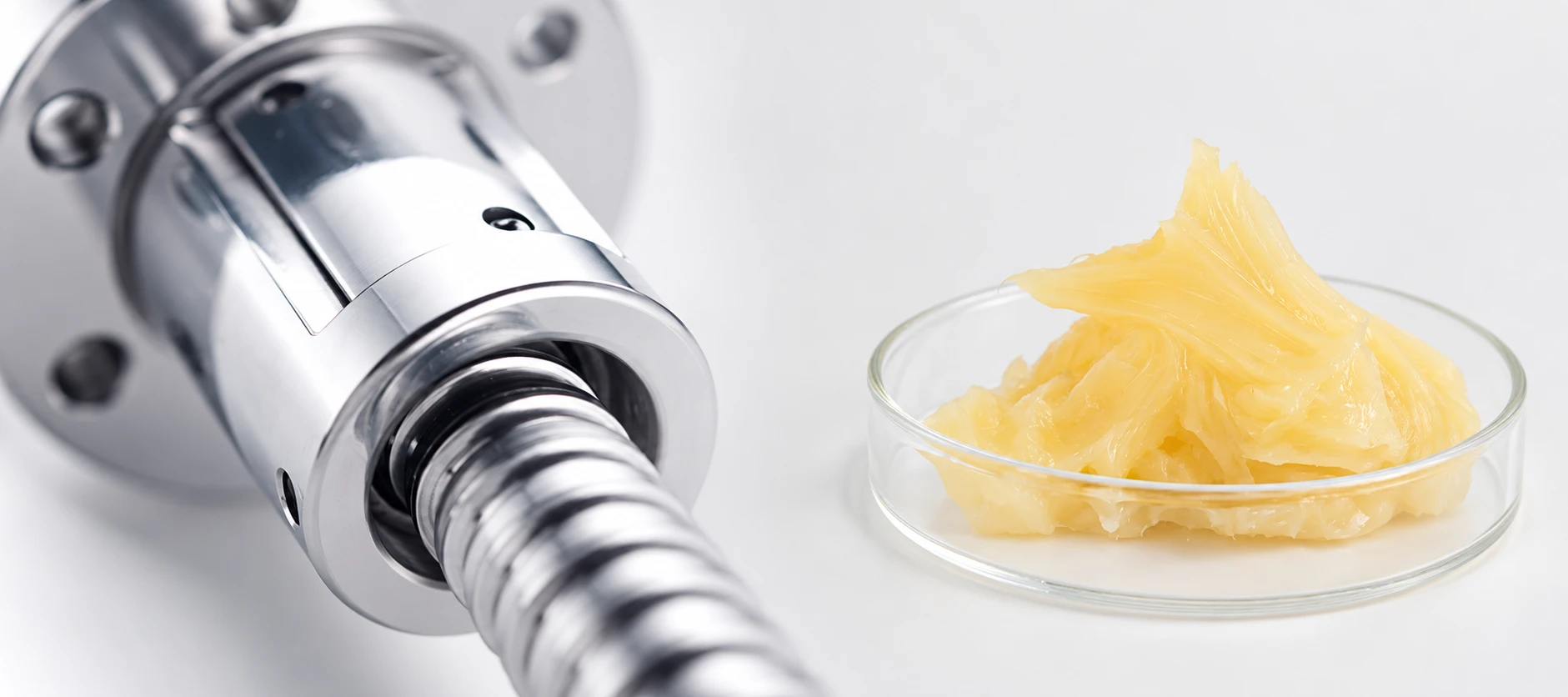
Direct Contact
Email: support@trglube.com