English (EN)
Low Dust Grease for Cleanroom Linear Motion Systems
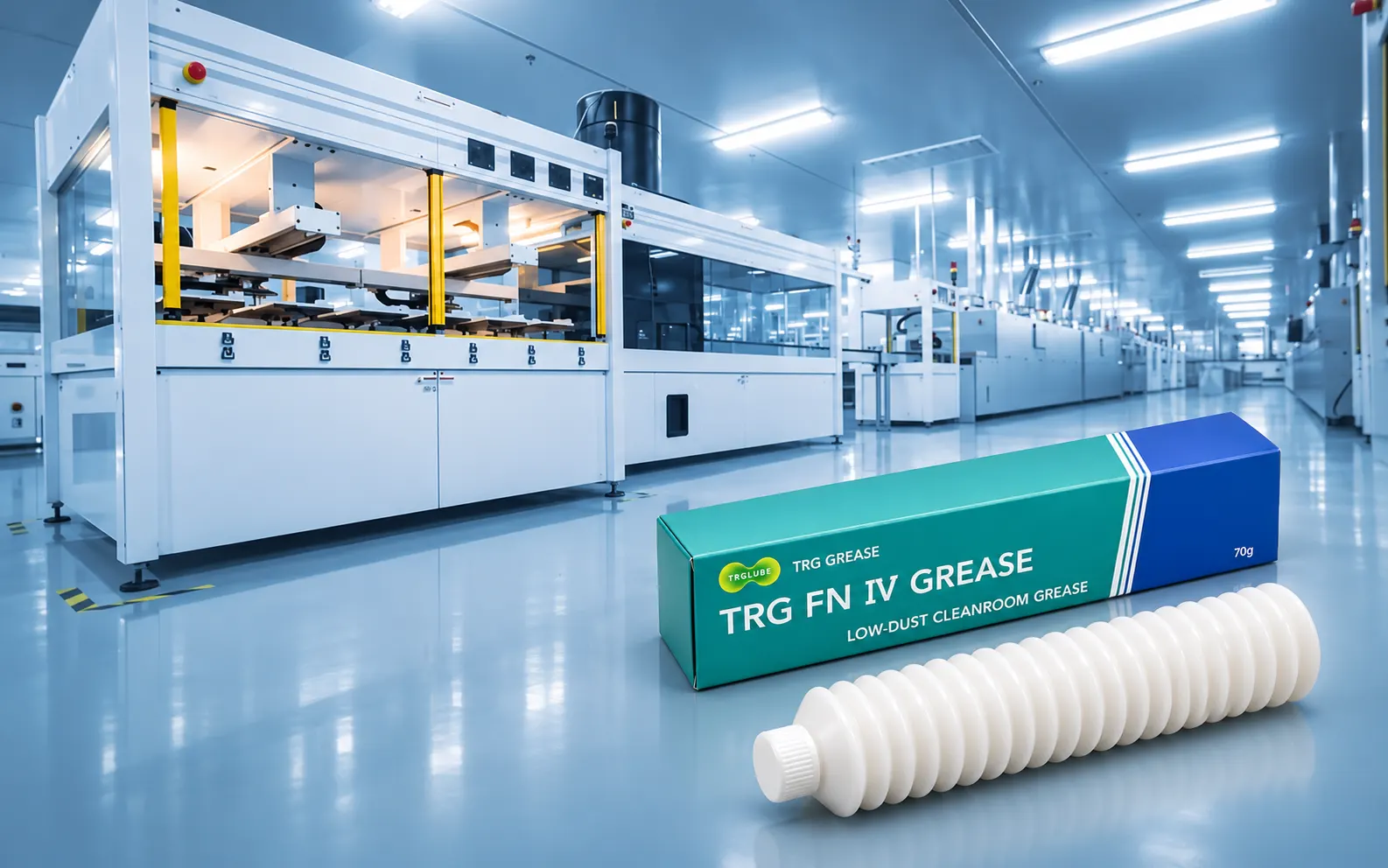
Engineered to control particle generation and grease scatter in precision linear guides, ball screws, and cleanroom automation equipment. Evaluate TRG FN IV for your contamination-sensitive applications.
What Is Low Dust Grease?
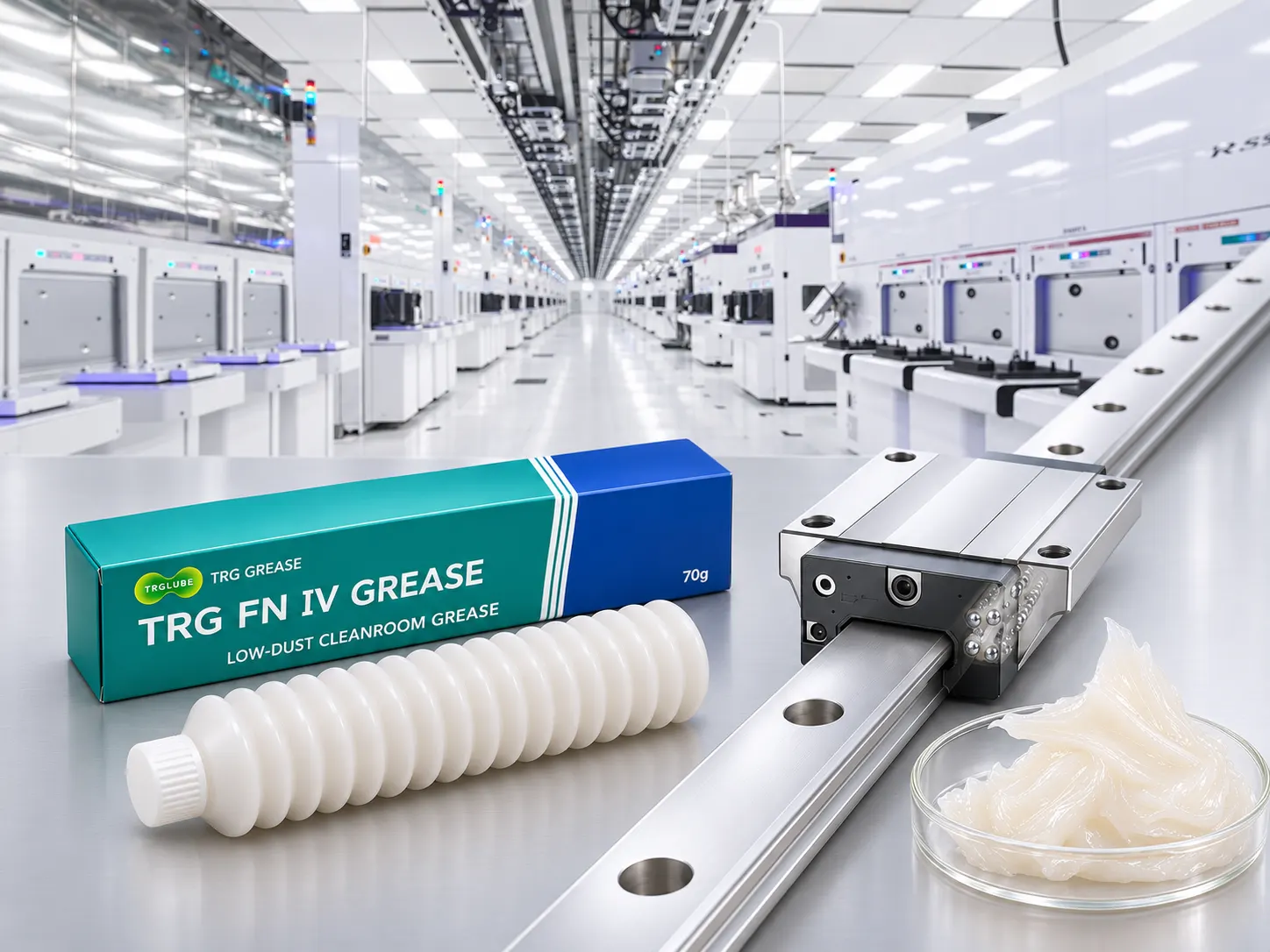
Low dust grease is a specialized industrial lubricant selected for mechanical systems where controlling airborne particle contamination is critical. In linear guides and ball screws, grease provides an essential lubricating film through its base oil, but dynamic motion, sealing structures, and grease filling quantities can lead to grease scatter or particle emissions.
It is important to understand that "low dust" does not mean zero particles, nor does it automatically equal "low outgassing" for vacuum environments.
A properly formulated low dust grease, such as TRG FN IV, is designed to minimize particle generation during continuous mechanical operation while maintaining the necessary load-carrying and anti-wear properties required for precision motion systems.
Where Does Particle Contamination Come From?
Understanding the source of contamination is the first step in selecting the right cleanroom lubricant. Not all particles originate from the grease formulation itself.
Grease-Related Emission
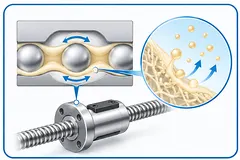
Shearing forces during the rolling contact of balls or rollers can cause the thickener structure to break down, releasing microscopic oil droplets or particles into the surrounding air.
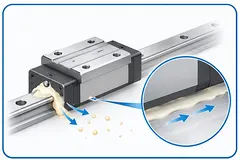
Grease Scatter & Migration
Excessive grease filling quantities or high-speed operation can cause macroscopic grease droplets to physically scatter onto nearby sensitive optical or electronic surfaces.
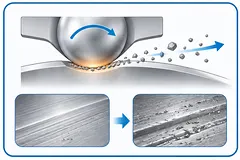
Mechanical Wear Particles
Friction between rolling elements, raceways, and carriage components generates metallic or plastic wear debris, which must be distinguished from grease-generated particles.
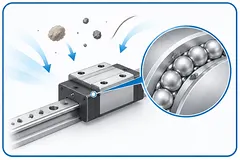
External Contamination
Improper cleaning, compromised carriage seals, environmental dust, or contamination introduced during the machine assembly process can elevate particle counts independently of the grease.
Common Lubrication Challenges in Cleanroom Motion Systems
Particle Emission During Repeated Motion
Linear guide carriages in continuous, high-frequency motion place severe demands on particle control. Selecting a specialized thickener system helps mitigate airborne emissions during repeated strokes.
Grease Scatter Around Sensitive Components
In precision electronics or optical inspection equipment, visible grease splatter is unacceptable. Appropriate base oil viscosity and controlled filling procedures are necessary to prevent migration.
Rolling Resistance in Precision Motion
Cleanroom environments still require precise positioning. Viscous resistance from the grease can affect carriage preload and motor feedback, necessitating a balance between cleanliness and friction.
Micro-Stroke and Fretting Concerns
Short, repetitive movements can prevent proper lubricant redistribution, leading to localized metal-to-metal contact and fretting wear, which generates secondary mechanical particles.
Existing Grease Contamination
Applying low dust grease over incompatible factory anti-rust oils or general-purpose lithium greases can destroy the cleanroom performance. Proper washing protocols are often required.
Maintenance and Relubrication Risk
Manual relubrication inside a cleanroom poses a risk of introducing external dust or over-packing the carriage, which immediately spikes particle generation upon machine restart.
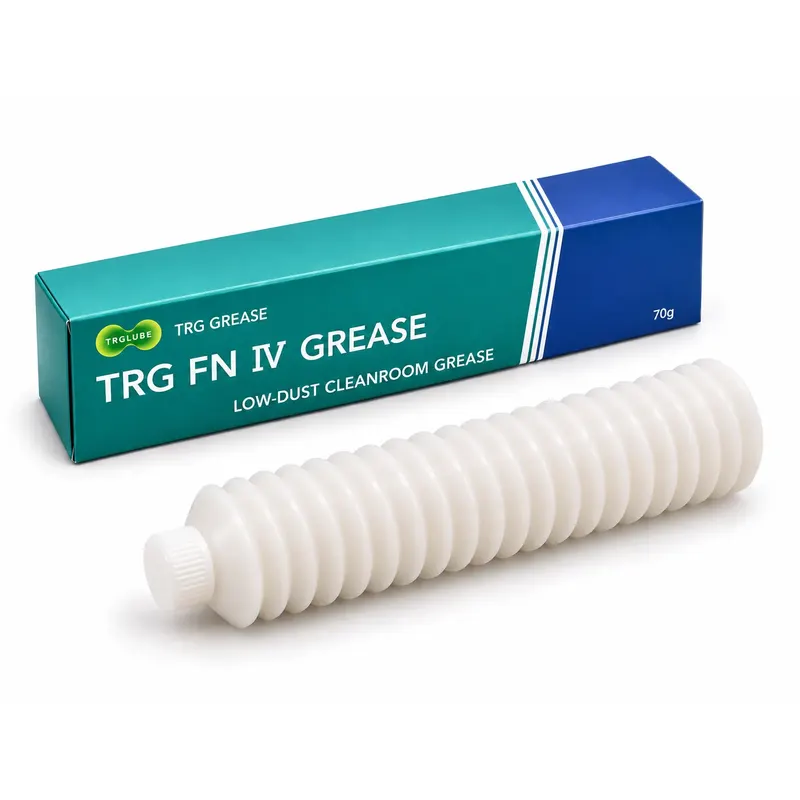
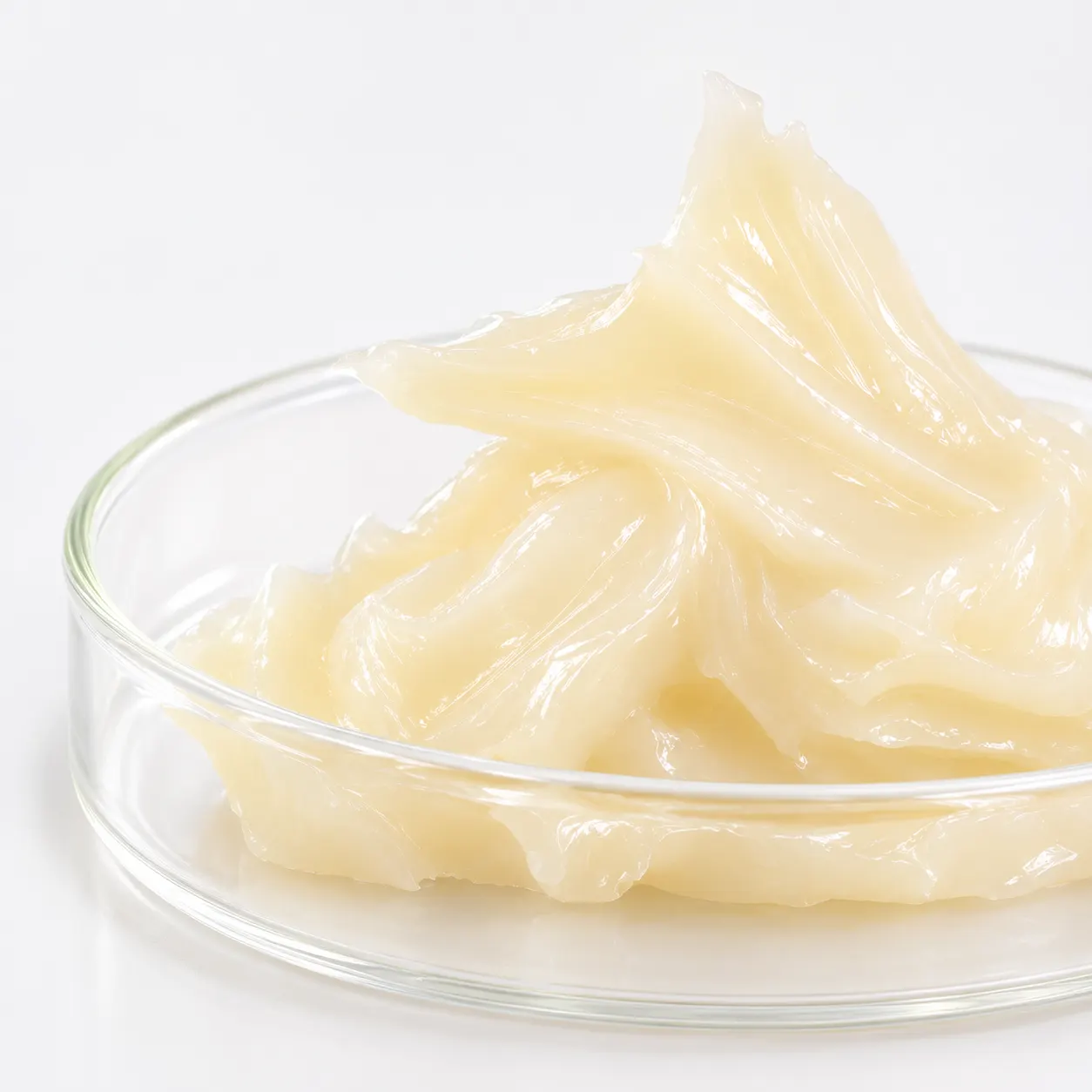
TRG FN IV — Low Dust Grease for Cleanroom Applications
Formulated with a synthetic base oil and an advanced urea thickener, TRG FN IV is engineered for cleanroom linear guides and precision ball screws. It serves as a primary candidate for procurement teams evaluating low-particle lubrication solutions.
Key Technical Properties
- Base Oil Synthetic Oil
- Thickener Urea
- Base Oil Viscosity (40°C) 99 mm²/s
- Worked Penetration 280
- Oil Separation (100°C / 24h) 0.1%
- Packaging 70g / 400g Bellows
*Note: While a 0.1% oil separation rate indicates high structural stability, actual cleanroom suitability must be verified against specific equipment particle limits and operational conditions.
Compare Low Dust Grease for Different Motion Conditions
While FN IV prioritizes particle control, FN V is designed for equipment requiring both low dust characteristics and stable rolling resistance during precision micro-motion.
| Technical Property | TRG FN IV | TRG FN V |
|---|---|---|
| Main Application Focus | Primary low dust cleanroom environments | Low dust + Precision micro-stroke motion |
| Base Oil Type | Synthetic Oil | Synthetic Oil |
| Thickener | Urea | Lithium |
| Base Oil Viscosity at 40°C | 99 mm²/s | 100 mm²/s |
| Worked Penetration | 280 | 315 |
| Oil Separation (100°C / 24h) | 0.1% | 2.6% |
| Dropping Point | 260°C | 220°C |
How Is Grease Particle Generation Evaluated?
Particle generation cannot be determined by grease formulation alone. Meaningful data requires testing under defined mechanical conditions. A grease that performs well in a specific linear guide test may yield different results under higher speeds or larger fill volumes.
Particle Count Must Be Compared Under Defined Test Conditions
Without identical parameters (e.g., air flow rate, stroke length, particle size threshold), direct comparison of particle counts between different manufacturer data sheets is scientifically invalid.
Critical Test Parameters Include:
- Tested Linear Guide Model
- Grease Filling Quantity (cm³)
- Feeding Speed (mm/s)
- Stroke Length (mm)
- Particle Size Threshold (µm)
- Air Sampling Flow Rate
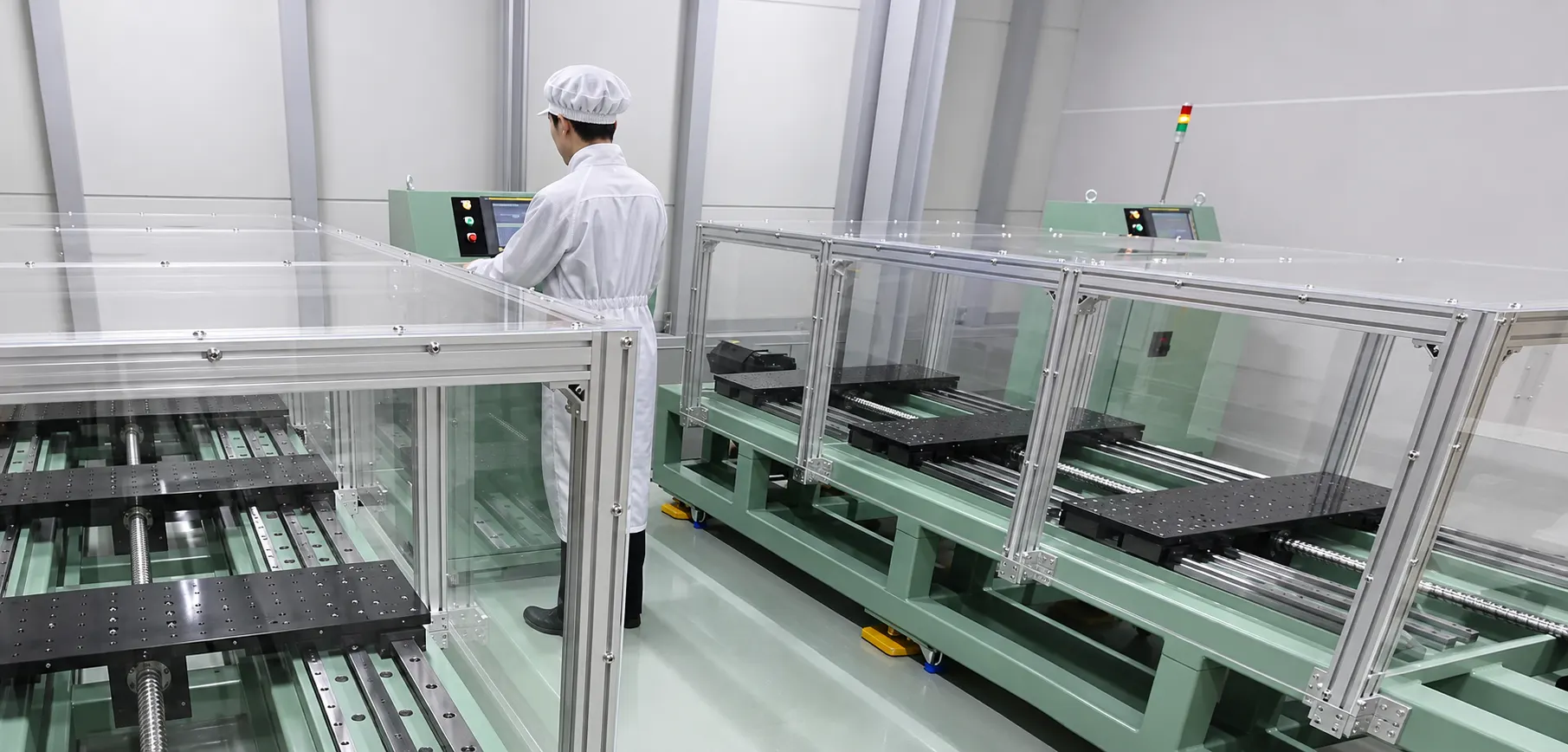
Low Dust, Low Outgassing, and Vacuum Grease: What Is the Difference?
A common engineering mistake is assuming these terms are interchangeable. Selecting the wrong category can lead to catastrophic contamination or lubrication failure.
Low Dust Grease
Focuses on controlling physical particle emissions generated during mechanical movement in atmospheric cleanrooms. Evaluated by airborne particle counts. (e.g., TRG FN IV)
Low Outgassing Grease
Focuses on minimizing the release of volatile condensable materials (VCM) when subjected to heat or specific environmental conditions. Often evaluated via ASTM E595 (TML/CVCM).
Vacuum Grease
Engineered to maintain lubrication integrity and extremely low vapor pressure in high-vacuum environments without evaporating. Low dust grease cannot automatically be used as vacuum grease.
How to Select Low Dust Grease
True cleanroom compliance depends on the synergy between the lubricant, the mechanical components, and the operational parameters. Consider these factors before procurement:
- 1 Cleanroom ISO Class Limits
- 2 Linear Guide / Ball Screw Model
- 3 Travel Speed & Stroke Length
- 4 Existing Lubricant Compatibility
- 5 Relubrication Method
Application Requirement Matrix
| Application Requirement | Main Engineering Concern | TRG Grade |
|---|---|---|
| Cleanroom Linear Guides | Particle contamination & grease scatter | FN IV |
| Cleanroom Ball Screws | Lubrication film and particle control | FN IV *Subject to review |
| Precision Micro-Stroke | Rolling resistance & low dust requirements | FN V |
| Short-Stroke Fretting | Localized fretting wear | FN III *If clean criteria met |
TRG Low Dust Grease Technical Specifications
| Property | TRG FN IV | TRG FN V |
|---|---|---|
| Base Oil | Synthetic Oil | Synthetic Oil |
| Thickener | Urea | Lithium |
| Base Oil Viscosity (40°C) | 99 mm²/s | 100 mm²/s |
| Worked Penetration (25°C / 60 Strokes) | 280 | 315 |
| Dropping Point | 260°C | 220°C |
| Oil Separation (100°C / 24h) | 0.1% | 2.6% |
| Four-Ball Weld Load | 1,236 N | 1,236 N |
| Catalog Operating Temperature | −40 to +180°C | −40 to +120°C |
| Packaging | 70g / 400g | 70g / 400g |
Base Oil Viscosity
Influences the lubrication film thickness and running resistance. Similar viscosities (99 vs 100) do not guarantee identical friction due to different thickener structures.
Oil Separation
Measures base oil release under static heat. While lower separation (0.1%) indicates stability, it is distinct from dynamic particle emission rates.
Worked Penetration
Indicates grease consistency. Affects how the grease fills the carriage, how it is retained, and its flow characteristics during initial operation.
Particle Emission Testing
Catalog temperature ranges and standard properties do not replace the need for independent particle testing under specific cleanroom equipment conditions.
Low Dust Grease Applications in Precision Manufacturing
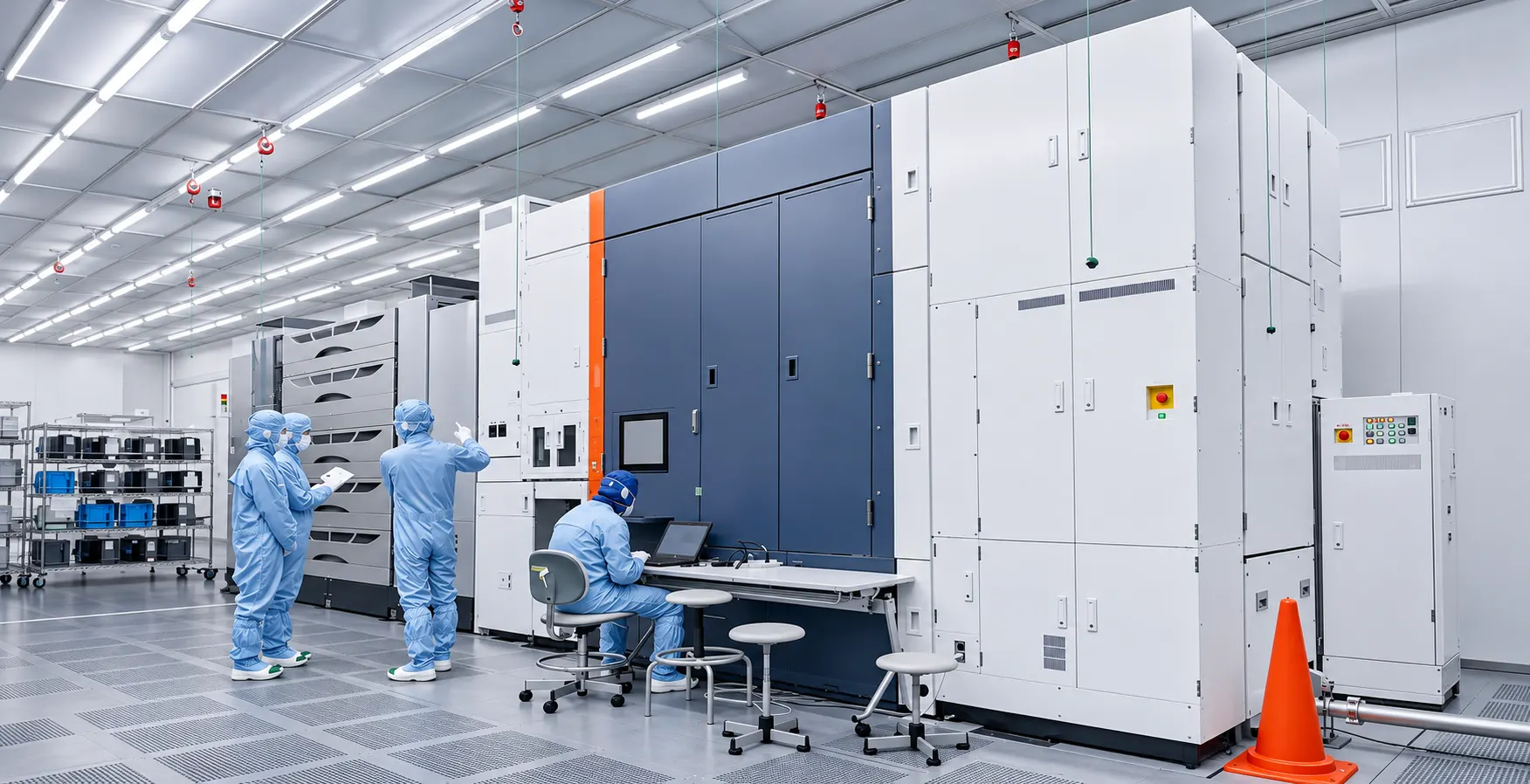
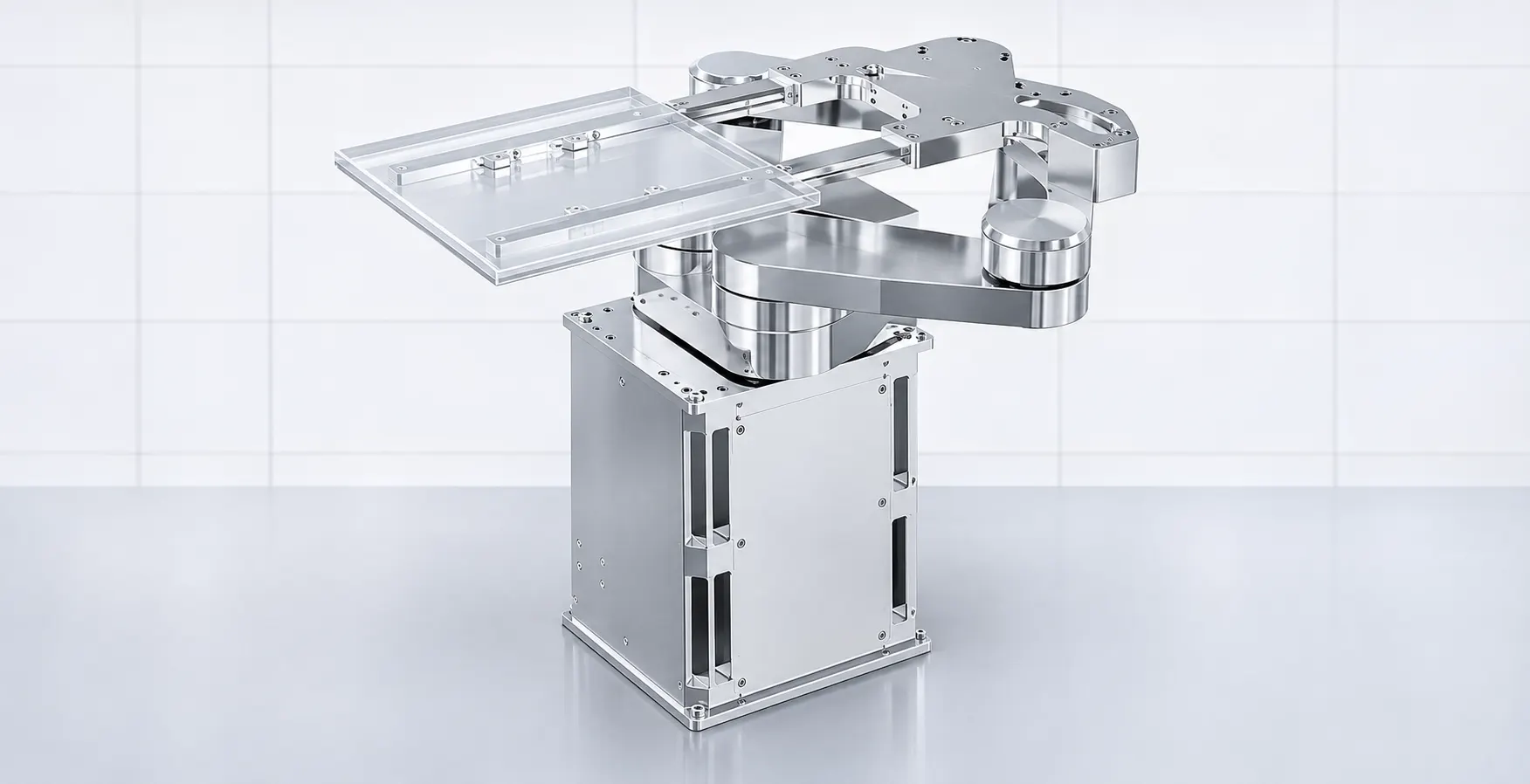
Semiconductor Equipment
Precision guides and positioning stages where airborne particle contamination strictly dictates yield rates. Requires rigorous validation of grease emission profiles.
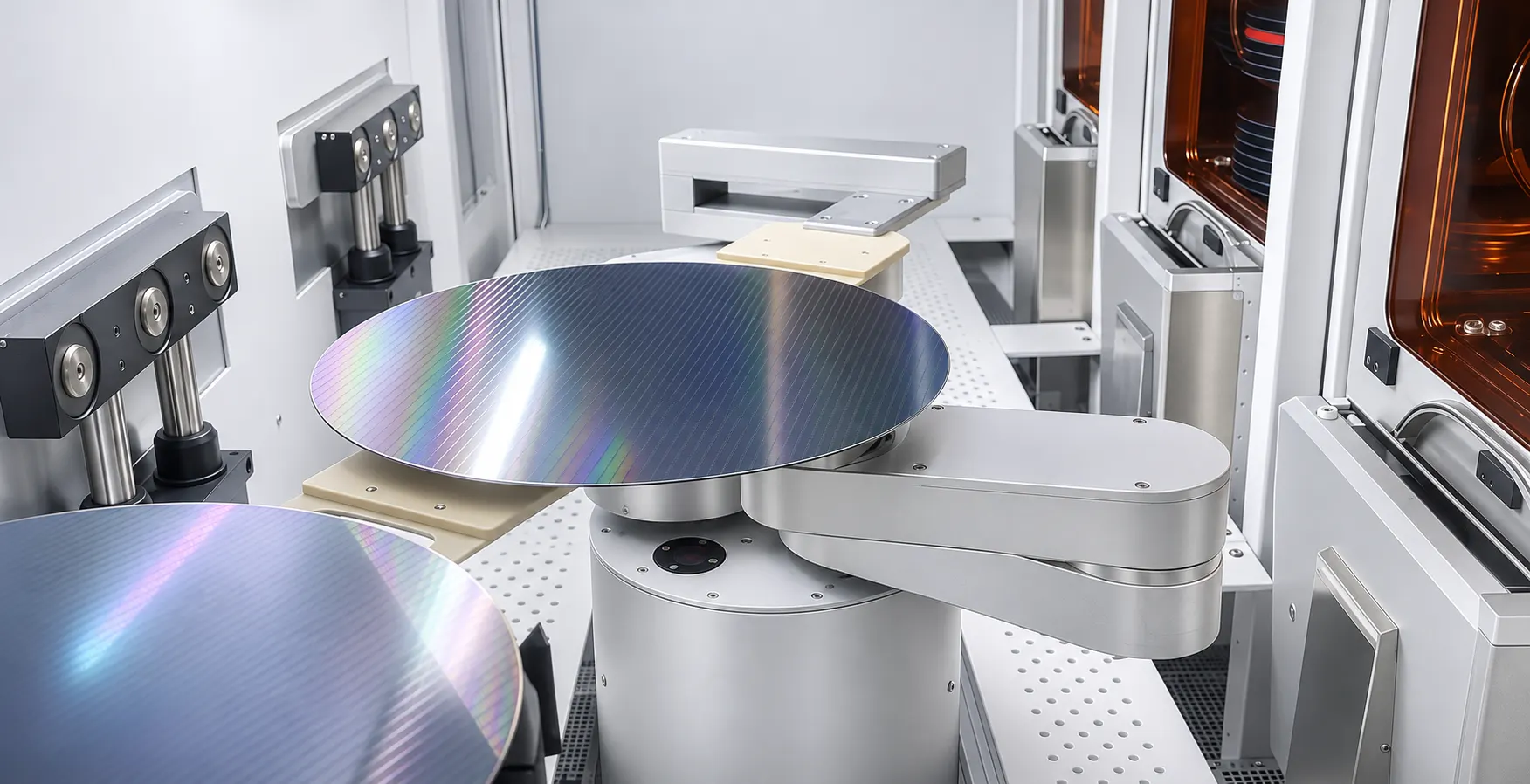
Cleanroom Automation
Handling modules and XYZ platforms operating in ISO-rated environments. Grease scatter must be controlled to prevent contamination of transferred substrates.
LCD & Display Manufacturing
Linear motion mechanisms inside processing chambers or transfer lines. Requires low particle generation combined with adequate load-carrying capacity.

Electronic Assembly (SMT)
High-speed, repetitive pick-and-place mechanisms where standard lithium greases may generate excessive airborne dust affecting component placement.
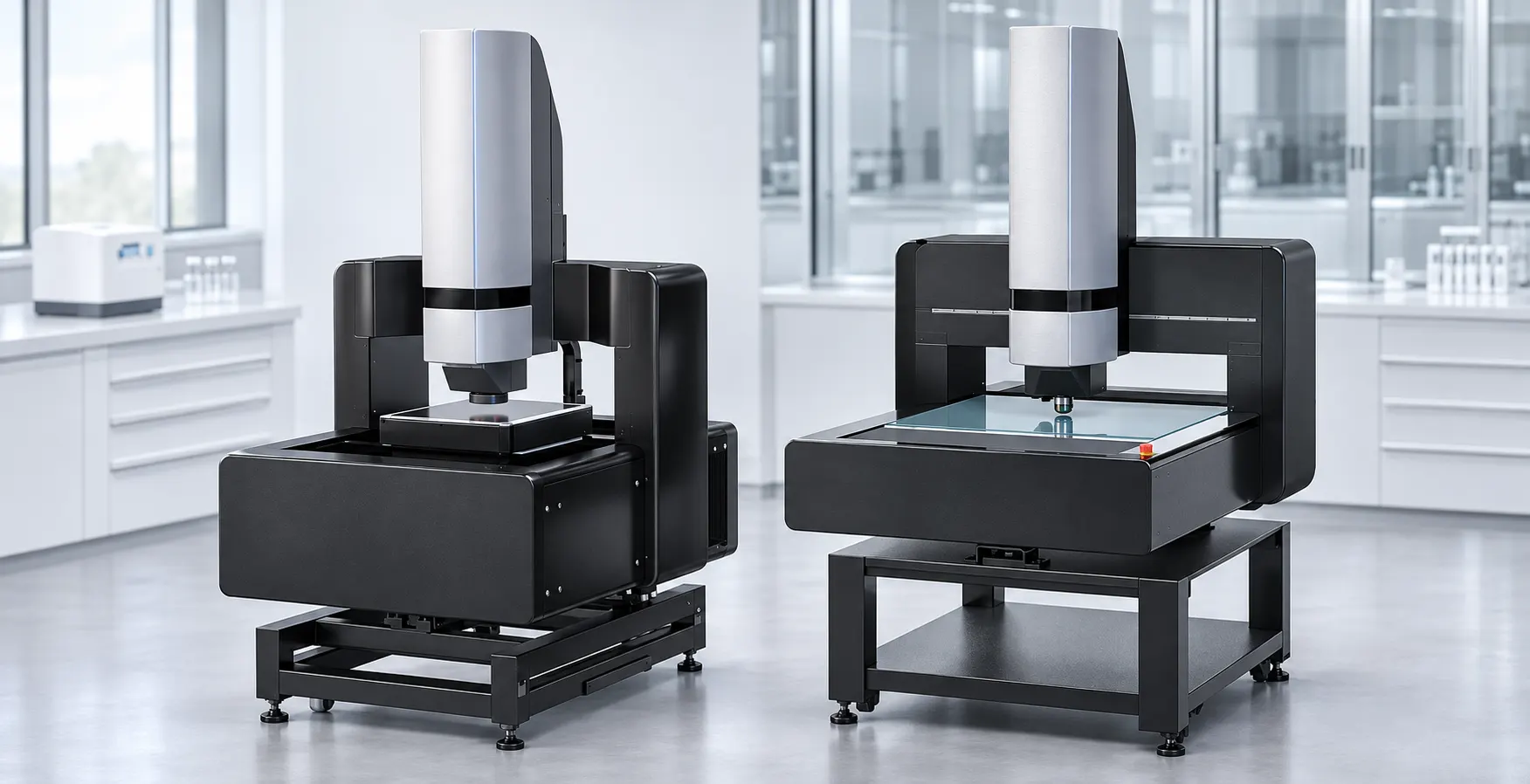
Optical Inspection Systems
Stages operating adjacent to sensitive lenses and sensors. Grease scatter and volatile migration must be entirely mitigated to prevent optical degradation.

Laboratory Automation
Robotic sample handling where biological or chemical contamination from mechanical lubricants is strictly prohibited. Requires verifiable low-emission grease.
Low Dust Grease vs. General-Purpose Grease
General-Purpose Grease
Ideal for standard enclosed machinery where airborne particles are not a primary concern. Prioritizes load capacity, water resistance, or cost-efficiency.
- Often uses standard mineral oils.
- Higher tendency to scatter under high speeds.
- May generate significant particles as thickener shears.
- Suitable for standard factory floors.
Low Dust Grease (e.g., TRG FN IV)
Selected when contamination risks justify a specialized formulation. Essential near optical surfaces, semiconductor wafers, or inside cleanroom automation.
- Utilizes synthetic base oils with specific thickeners (like Urea).
- Structurally stable to minimize airborne particle release.
- Controls grease scatter to protect surrounding components.
- Requires strict cleaning protocols before application.
Balancing Low Particle Generation with Stable Rolling Resistance
In precision positioning equipment, achieving low particle counts is only half the engineering challenge. For devices operating with micro-strokes, low-speed travel, or repetitive short-distance positioning, the viscous resistance of the grease can cause fluctuations in rolling resistance.
TRG FN IV is designed to address this dual requirement. While it controls dust generation for clean environments, its formulation focuses on maintaining stable carriage movement, minimizing resistance fluctuations that could otherwise impact motor feedback and positioning accuracy.
*Note: Final positioning accuracy is a system-level metric depending on guide rail rigidity, encoder resolution, and controller tuning, not solely on the grease selection.
How to Apply Low Dust Grease Without Introducing Contamination
Identify Lubricants
Identify existing factory anti-rust oils or incompatible greases currently in the system.
Review Cleaning
Follow OEM guidelines to wash away old residues. Unverified mixing can destroy cleanroom performance.
Prepare Tools
Use dedicated, clean grease guns or nozzles to prevent introducing external particles.
Apply Quantity
Inject only the specified volume. Over-packing increases grease scatter and initial particle spikes.
Inspect
Run the carriage back and forth. Wipe away any excess expelled grease before cleanroom operation.
Evaluating Alternative Cleanroom Greases
For industrial buyers seeking alternative low dust lubrication solutions, TRG offers products with aligned application focuses. The following references are provided for evaluation purposes.
| Existing Grease Reference | TRG Product for Evaluation |
|---|---|
| THK AFE-CA | TRG FN IV |
| THK AFF | TRG FN V |
Important Procurement Notice
These are application-based references, not unconditional drop-in replacements. Buyers must independently verify:
- Compatibility with existing grease residues (or washing requirements).
- Specific particle emission limits under actual machine operating conditions.
- Seal material compatibility and operating temperature ranges.
Technical Documentation and Purchasing Support
Documented Properties
Clear specifications on base oil, thickener, viscosity, and oil separation to support your initial engineering evaluation.
Application Selection
Submit your guide model, speed, and contamination limits for tailored grease selection support.
Clear Identification
Standardized 70g and 400g packaging with clear product identification to prevent maintenance mix-ups.
Qualification Review
Inquire about TDS, SDS, and available particle test information to support your internal quality approval process.
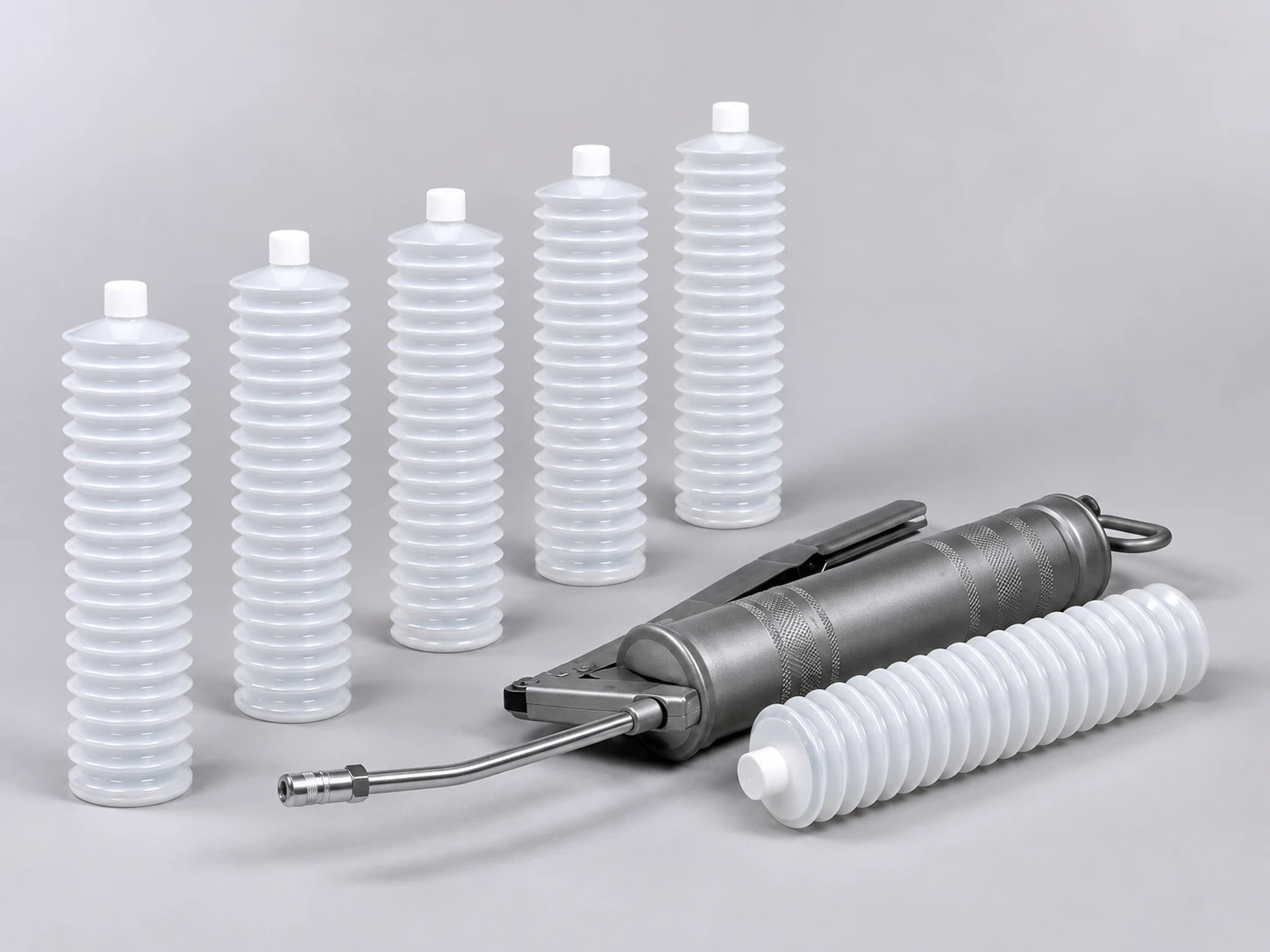
Low Dust Grease Packaging for Industrial Buyers
Available in standard bellows cartridges designed for cleanroom maintenance and precision motion system integration.
70g Cartridge
Ideal for miniature linear guides, small ball screws, and manual cleanroom relubrication tasks.
400g Cartridge
Standard size for equipment assembly lines and larger cleanroom automation systems.
Sample Qualification
Ask about sample availability for engineering validation and compatibility testing.
B2B Procurement
Contact us to confirm MOQ, lead times, and distributor purchasing policies.
Frequently Asked Questions
Review common engineering and procurement questions regarding low dust grease selection for cleanroom applications.
What is the difference between low dust grease and cleanroom grease?
Can low dust grease be used in vacuum equipment?
Does low oil separation mean lower particle generation?
What is the difference between TRG FN IV and TRG FN V?
Can different cleanroom greases be mixed?
What information should I provide when requesting low dust grease?
Related Grease Products and Technical Resources
Linear Guide Grease
General and special-purpose lubrication selection for linear motion systems.
Ball Screw Grease
Lubricants optimized for load, speed, torque, and temperature rise in ball screws.
Fretting Resistant Grease
Solutions for short-stroke oscillation and micro-vibration wear protection.
Low Friction Grease
Formulated for low starting torque and high-speed long-stroke applications.
Need Low Dust Grease for Your Cleanroom Application?
Submit your mechanical specifications and contamination limits. Our engineering team will review your requirements to recommend the appropriate TRG FN series grease or discuss sample availability.

support@trglube.com