English (EN)
Fretting Resistant Grease for Precision Linear Motion
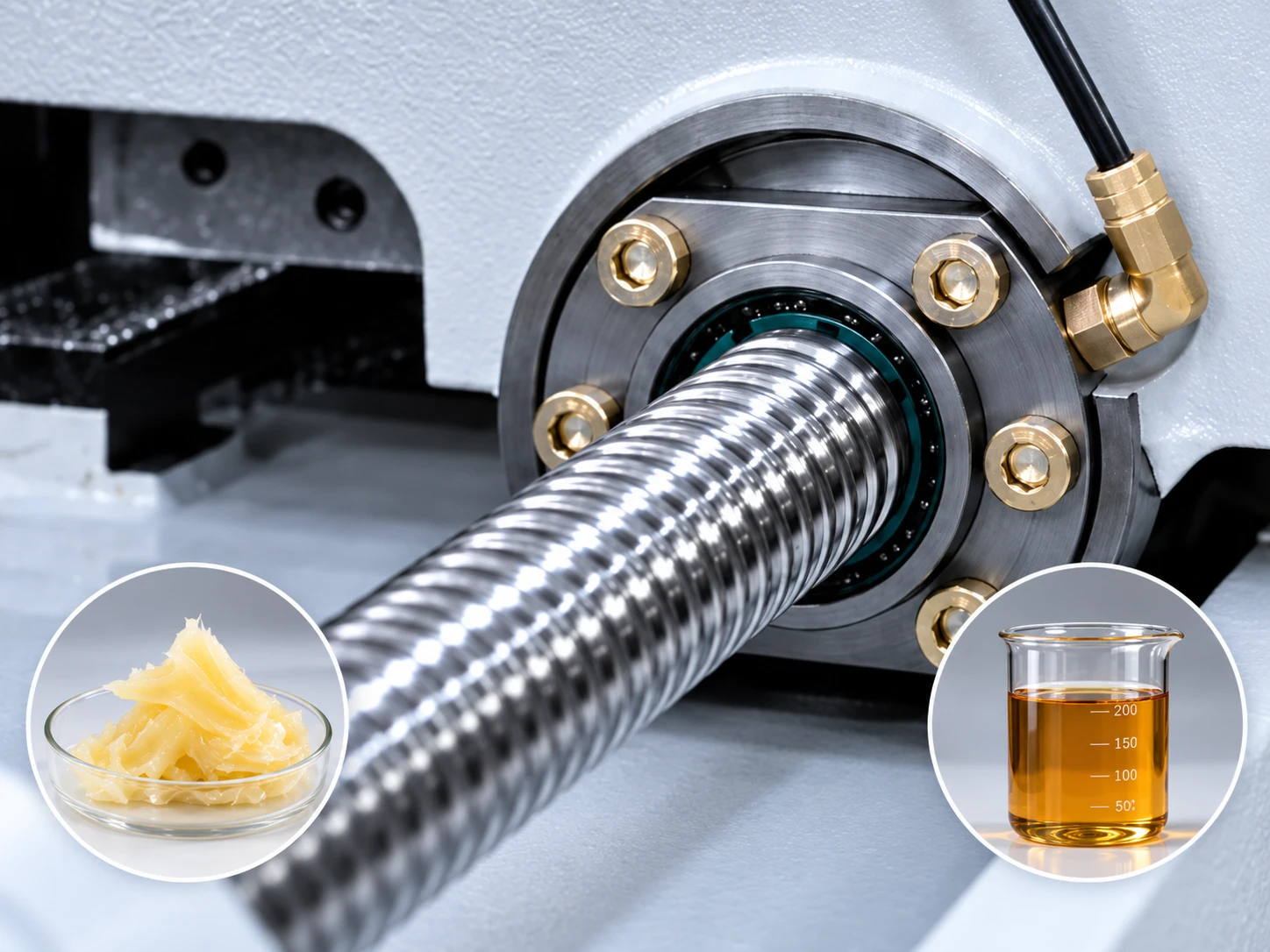
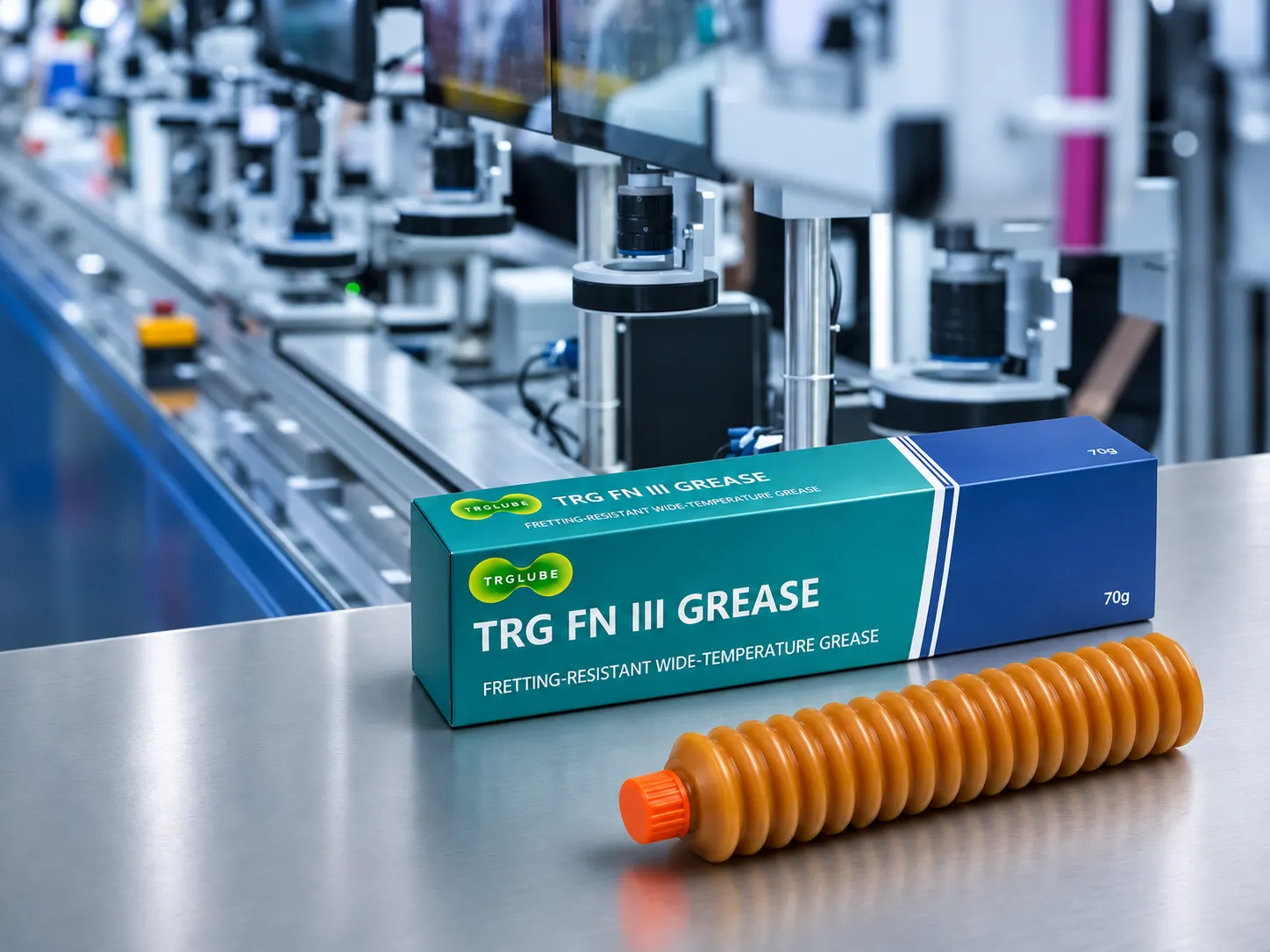
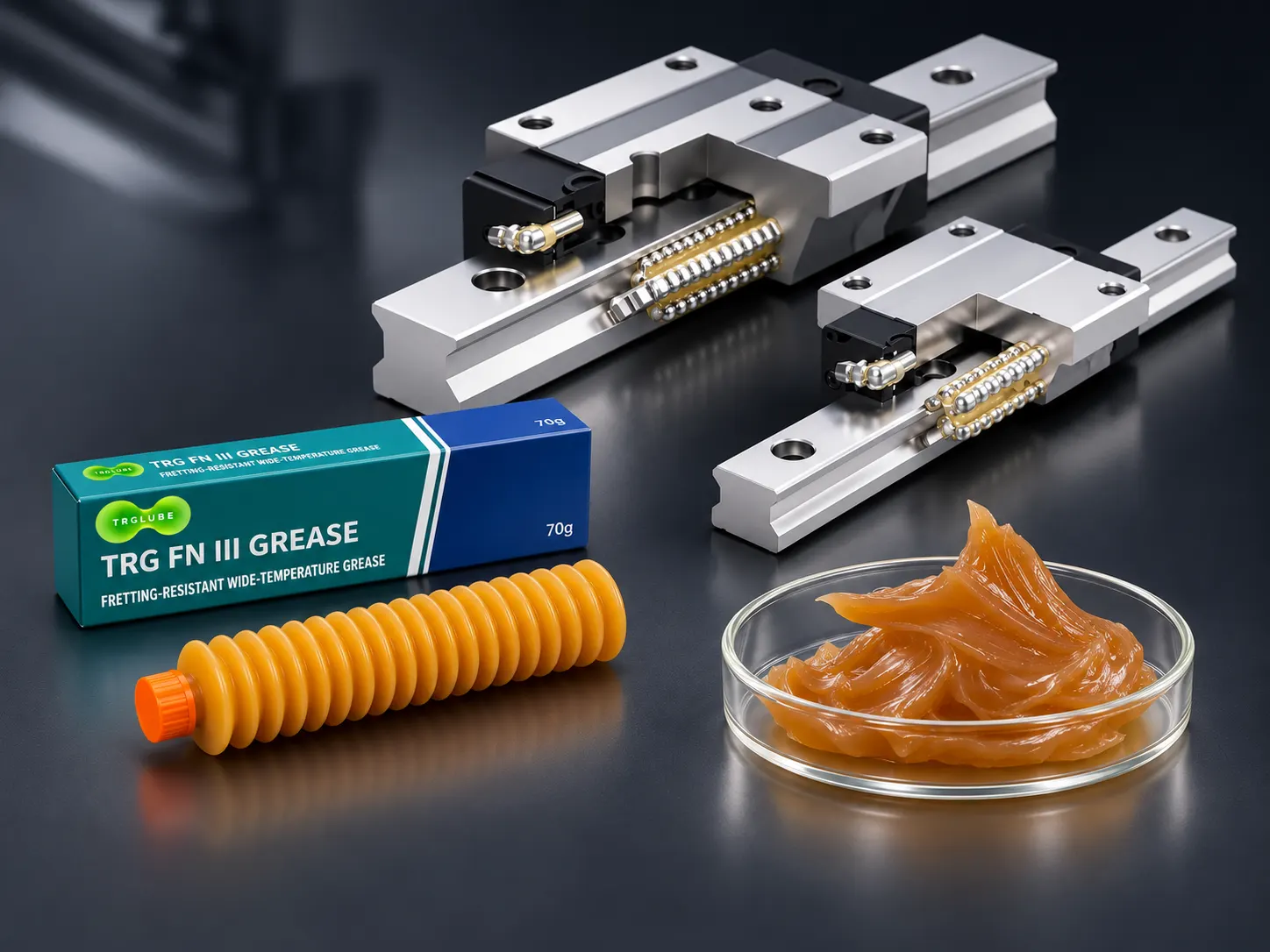
Engineered for short-stroke motion, micro-vibration, and oscillating mechanisms. Protect linear guides and ball screws from localized starvation and fretting wear with TRG FN III. Available in 70g and 400g tubes.
What Is Fretting Resistant Grease?
Fretting resistant grease is a specialized industrial lubricant formulated to control contact wear in mechanical systems subjected to small-amplitude repetitive motion, localized friction, and micro-vibration.
When rolling elements (like the balls in a linear guide or ball screw) continuously oscillate within a very limited stroke, the lubricant film is pushed aside and struggles to redistribute. This localized starvation leads to metal-to-metal contact, accelerating wear.
Unlike general-purpose greases, products like TRG FN III are engineered with specific synthetic base oils and thickener systems designed to maintain a protective boundary layer under these severe micro-motion constraints.
How Fretting Wear Develops Under Small-Amplitude Motion
Understanding the mechanism of localized wear is critical before selecting a replacement grease. Note that reddish-brown debris often indicates fretting, but a comprehensive evaluation of the motion profile is required.
Repeated Micro-Movement
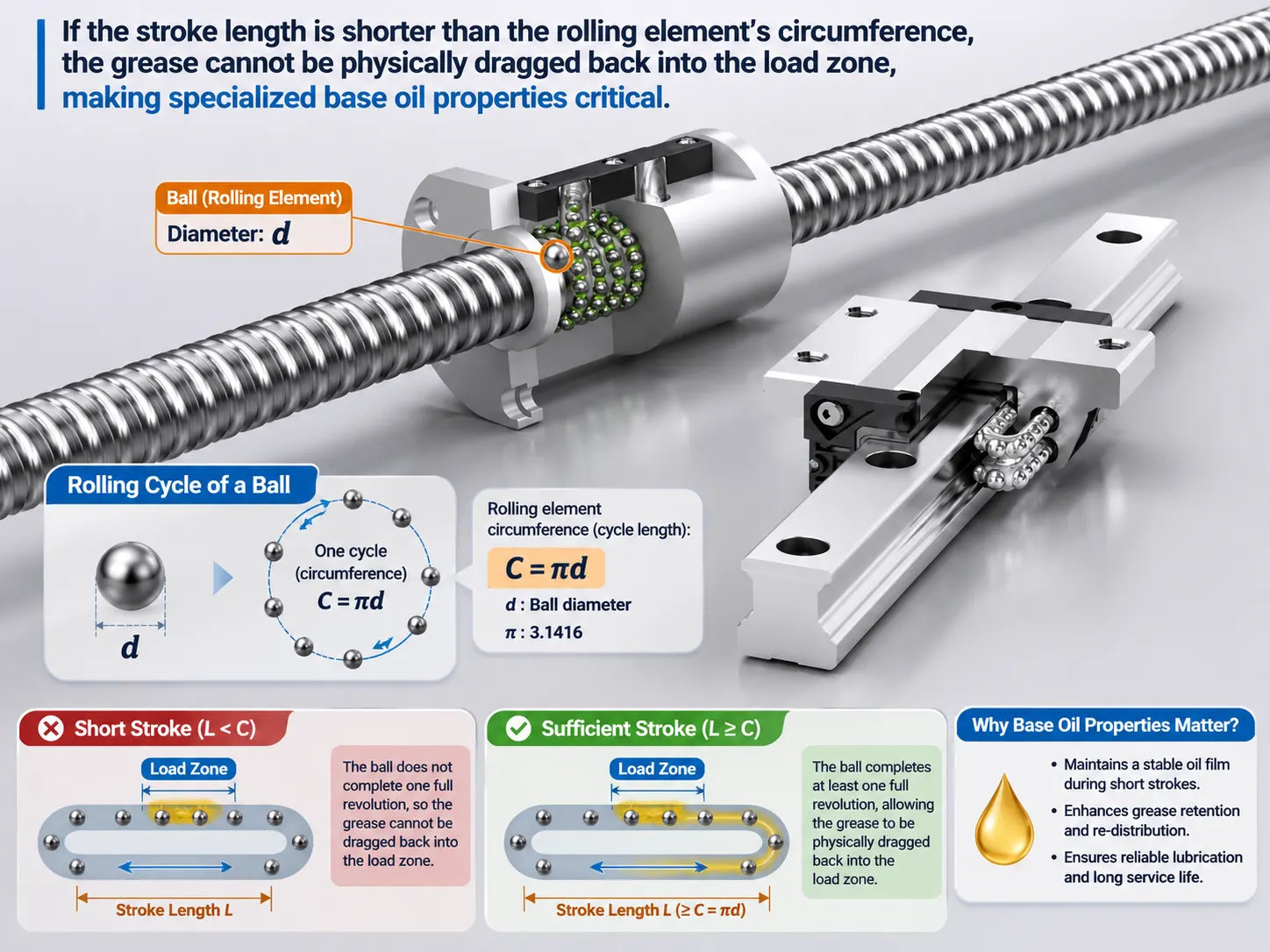
Rolling elements move back and forth over a distance smaller than their own circumference or the distance between adjacent balls.
Limited Redistribution
The short stroke prevents the grease from being naturally drawn back into the contact zone, causing localized lubricant starvation.
Localized Contact Wear
Without an adequate oil film, direct metal-to-metal contact occurs under preload or applied load, initiating surface damage.
Wear Debris Generation
Microscopic metal particles break off and oxidize, forming abrasive reddish-brown or black powder that further accelerates wear.
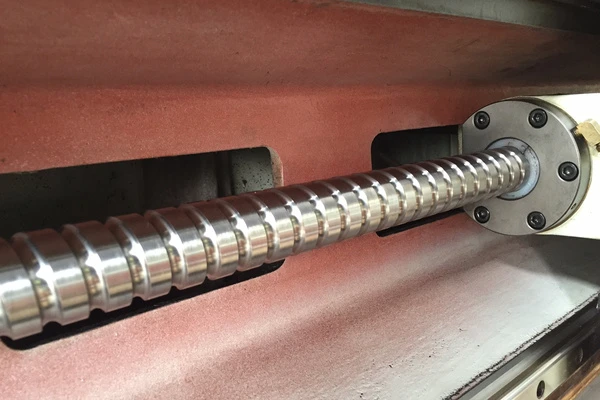
Common Fretting and Micro-Vibration Problems
Engineers frequently encounter these localized wear issues in precision automation. Identifying the specific motion constraint is the first step in selecting the right grease.
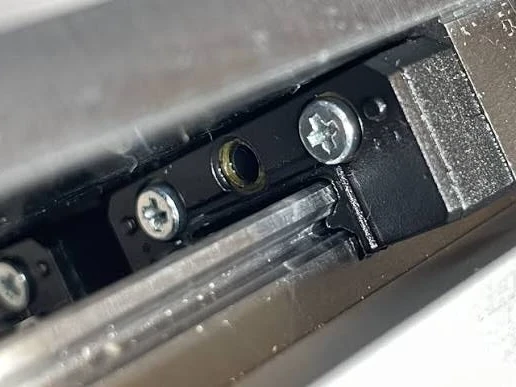
1. Short-Stroke Raceway Wear
Linear guides operating in extremely short strokes suffer from localized wear because the carriage never travels far enough to replenish grease.
Action: Evaluate anti-fretting grease and implement periodic full-stroke maintenance.
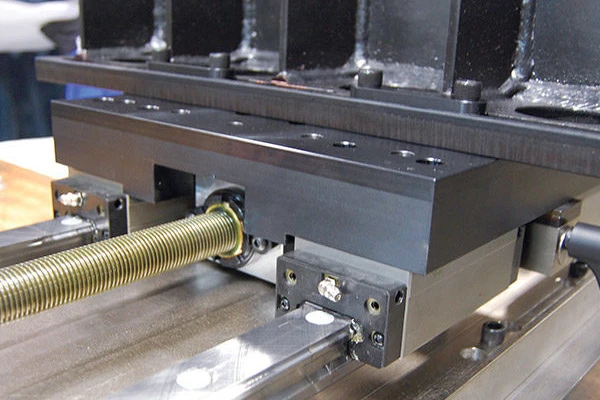
2. Repeated Positioning Under Load
Stages that repeatedly stop at the exact same coordinates under continuous load experience severe pressure points on specific ball bearings.
Action: Select grease with appropriate base oil viscosity for high contact pressure.
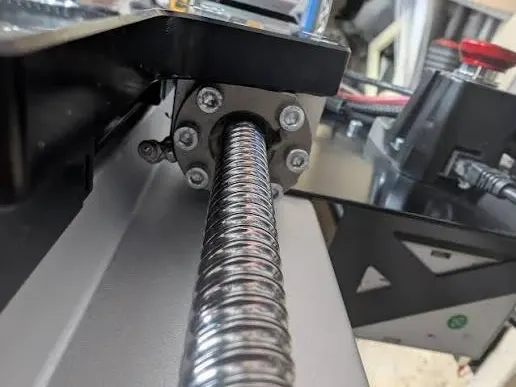
3. Ball Screw Micro-Oscillation
Small reciprocating feed movements in ball screws can disrupt the lubrication film between the nut threads and the balls.
Action: Verify if the existing grease channels flow effectively during micro-movements.

4. Vibration During Standstill
Equipment exposed to external machine vibrations while stationary can develop false brinelling, mimicking fretting corrosion.
Action: Ensure the grease maintains boundary protection even without dynamic rotation.
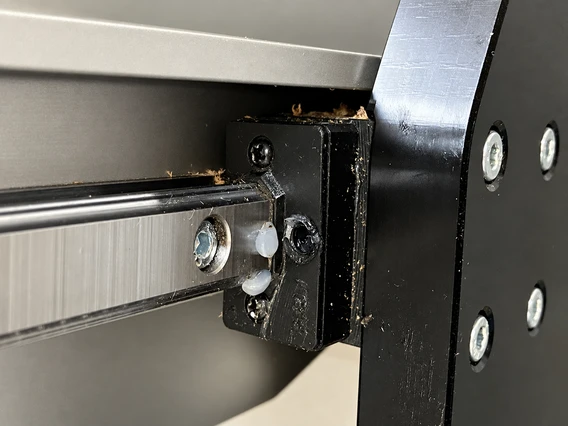
5. Localized Lubricant Starvation
Grease may be present in the carriage but fails to reach the active contact zone due to insufficient motion amplitude.
Action: Review relubrication intervals and grease distribution characteristics.
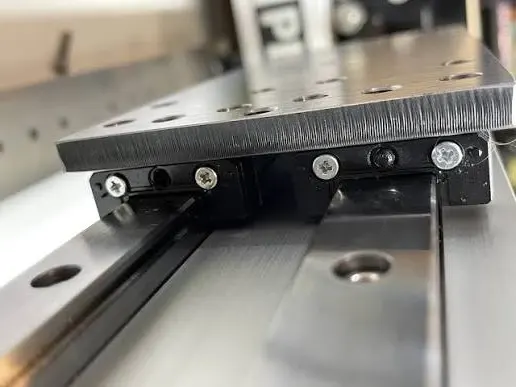
6. Increased Rolling Resistance
Accumulation of oxidized wear debris increases friction, leading to rough operation and eventual surface spalling.
Action: Do not simply add more grease; inspect the raceway for irreversible damage.
TRG FN III — Fretting Resistant Grease
Formulated specifically for short-stroke linear guides and micro-oscillating rolling contacts. TRG FN III utilizes a synthetic base oil and a urea thickener to help control localized wear when grease redistribution is severely limited.
Packaging
Compare Greases for Micro-Motion and Vibration Conditions
While FN III is our primary recommendation for fretting resistance, evaluating your specific contamination and speed requirements may lead you to FN V or FN VII.
TRG FN III
Short-Stroke & Micro-Vibration
Engineered specifically to combat fretting wear in precision positioning mechanisms with severe limited-stroke constraints.
- Base: Synthetic
- Thickener: Urea
TRG FN V
Low-Particle Micro-Stroke
Focuses on maintaining stable rolling resistance and low dust generation for clean environments with micro-strokes.
- Base: Synthetic
- Thickener: Lithium
TRG FN VII
Wide-Speed Range
A versatile option for linear motion systems requiring wear protection across a broader range of operating speeds and vibrations.
- Base: Refined Mineral
- Thickener: Urea
| Parameter | TRG FN III | TRG FN V | TRG FN VII |
|---|---|---|---|
| Base Oil Viscosity (40°C) | 25 mm²/s | 100 mm²/s | 20 mm²/s |
| Worked Penetration | 288 | 315 | 325 |
| Four-Ball Weld Load | 3,089 N | 1,236 N | 3,089 N |
| Catalog Temp Range | −54 to +177°C | −40 to +120°C | −20 to +120°C |
Why Fretting Resistance Matters in Precision Motion Systems
Simply adding more general-purpose grease cannot solve localized starvation. Engineering constraints require a specialized approach to film maintenance.
1. Motion Amplitude Matters
If the stroke length is shorter than the rolling element's circumference, the grease cannot be physically dragged back into the load zone, making specialized base oil properties critical.
2. Load & Preload Influence
Higher contact pressure and structural preload squeeze out standard lubricants faster during micro-vibration, increasing the risk of direct metal-to-metal contact.
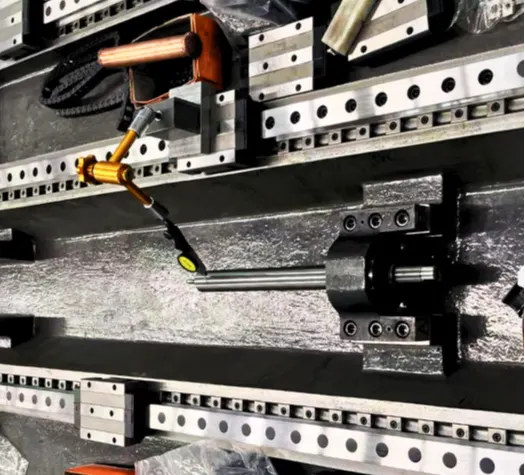
3. Selection Is Only Part
Anti-fretting grease mitigates risk, but mechanical assembly, rail parallelism, and proper sealing are equally vital to prevent uneven loading and contamination.

4. Film Must Be Maintained
Even the best fretting resistant grease requires appropriate relubrication intervals and periodic redistribution movements to sustain the protective boundary layer.
Applications of Fretting Resistant Grease
Verified application scenarios where TRG FN III and related greases help OEMs and MROs manage micro-motion wear risks.
Precision Linear Guides
Used in short-stroke carriages where repetitive positioning causes extreme localized stress on the raceway. Buyers must verify stroke length and load.
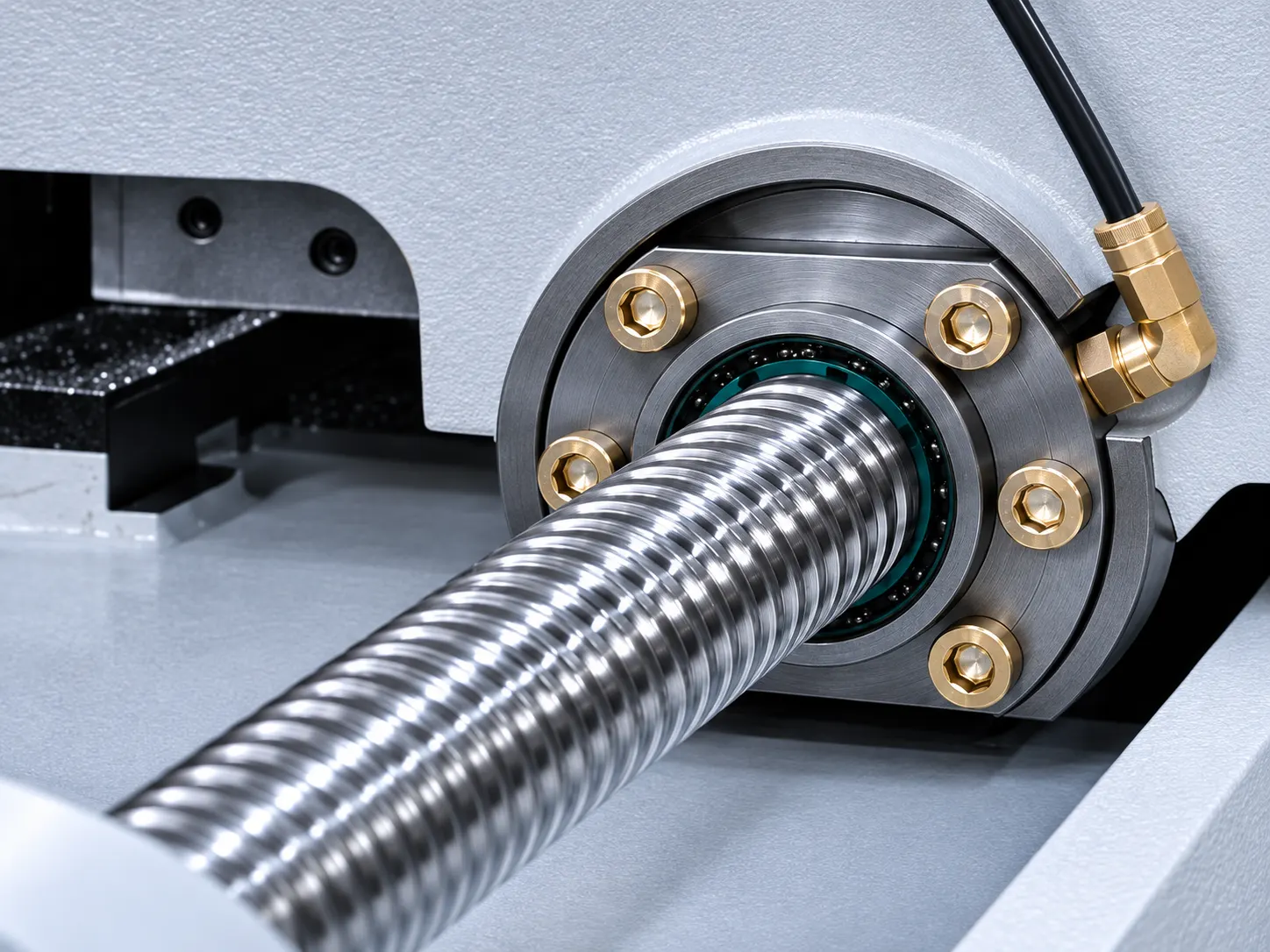
Ball Screws
Applied to ball screw nuts undergoing small reciprocating feeds, addressing lubrication distribution problems within the internal return tubes.

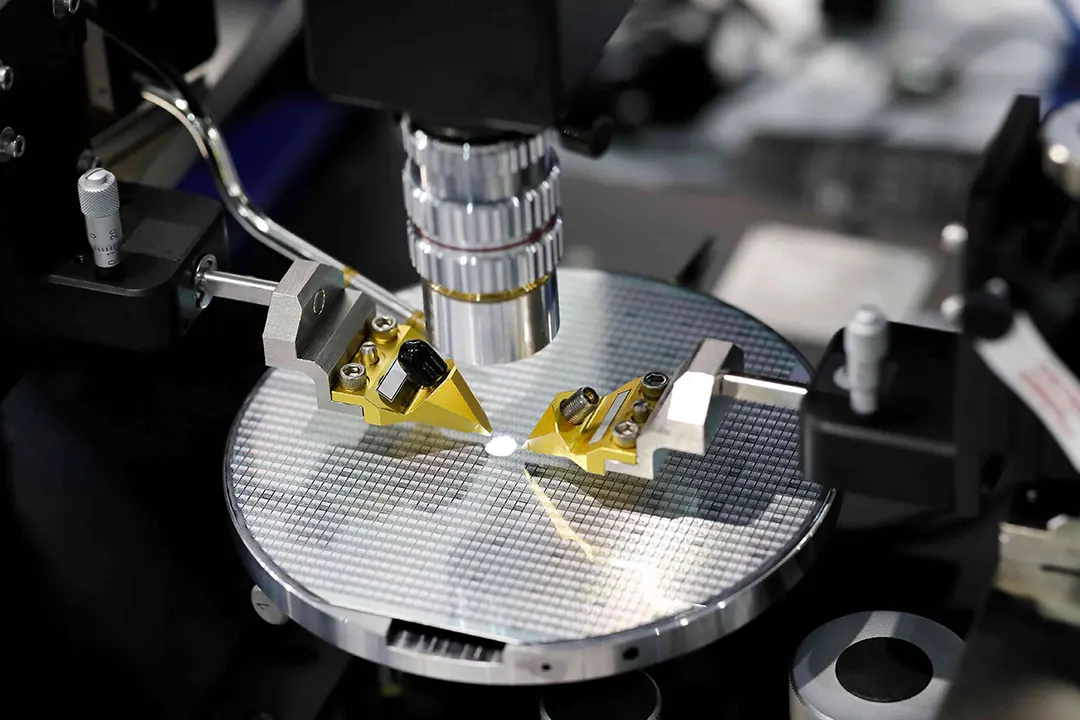
Semiconductor Handling
Precision stages requiring micro-displacements. Selection often balances fretting resistance with cleanroom compatibility (evaluate FN V).

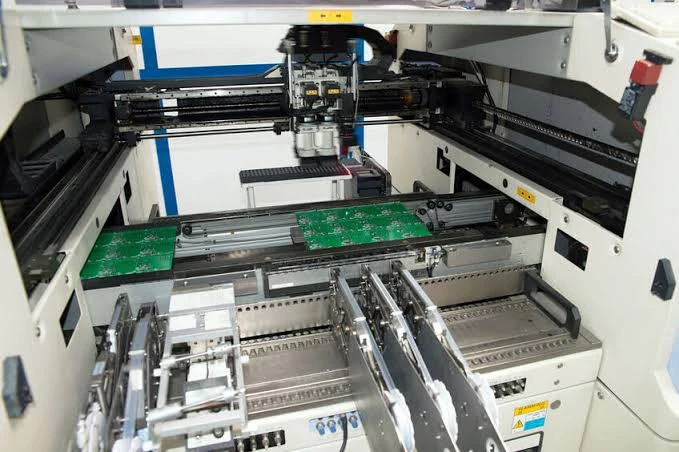
Electronic Assembly
High-frequency repeated positioning in pick-and-place machines. Requires a grease that resists being squeezed out during continuous work cycles.
Inspection Systems
Low-speed displacement and repetitive measurement strokes where smooth operation is critical to avoid measurement errors caused by wear debris.
Oscillating Mechanisms
Small-amplitude reciprocating mechanisms subject to vibration loads, requiring robust boundary lubrication to extend maintenance intervals.
How to Select Grease for Fretting-Prone Applications
Selecting an anti-fretting grease requires looking beyond basic NLGI grades or dropping points. Engineers must evaluate the actual motion profile of the equipment.
-
Motion Amplitude & Stroke Length: Determines if grease can redistribute naturally.
-
Oscillation Frequency: High frequency accelerates film breakdown.
-
Applied Load & Preload: Dictates the required extreme pressure (EP) properties.
Preliminary Selection Matrix
| Application Condition | Main Concern | TRG Grade |
|---|---|---|
| Repeated Short Stroke | Fretting wear & localized starvation | FN III |
| Precision Micro-Motion | Rolling resistance & low particle generation | FN V |
| Wide-Speed Linear Motion | Wear and vibration-related conditions | FN VII |
Note: This matrix provides an initial evaluation direction. Final compatibility is not guaranteed without reviewing specific equipment manuals.
Fretting Resistant Grease Technical Specifications
Verified technical parameters for the TRG FN series. Note that standard tests like Four-Ball Weld Load reflect EP performance, but true fretting resistance must be evaluated under specific motion amplitude and contact pressure.
| Test Property | TRG FN III | TRG FN V | TRG FN VII |
|---|---|---|---|
| Base Oil Type | Synthetic Oil | Synthetic Oil | Refined Mineral |
| Thickener Type | Urea | Lithium | Urea |
| Base Oil Viscosity (40°C, mm²/s) | 25 | 100 | 20 |
| Worked Penetration (25°C) | 288 | 315 | 325 |
| Dropping Point (°C) | 269 | 220 | Not Specified |
| Four-Ball Weld Load (N) | 3,089 | 1,236 | 3,089 |
| Available Packaging | 70g / 400g | 70g / 400g | 70g / 400g |
Fretting Resistant Grease vs. General-Purpose Grease
While general-purpose lithium greases are excellent for standard continuous rotation, they may not provide adequate protection under short-stroke constraints. However, do not assume any grease labeled "anti-fretting" is universally superior for all equipment.
Intended Motion Conditions
General greases rely on full rotational or linear strokes to drag oil into the load zone. Fretting resistant greases are formulated to maintain boundary films even when redistribution is minimal.
Base Oil & Thickener Selection
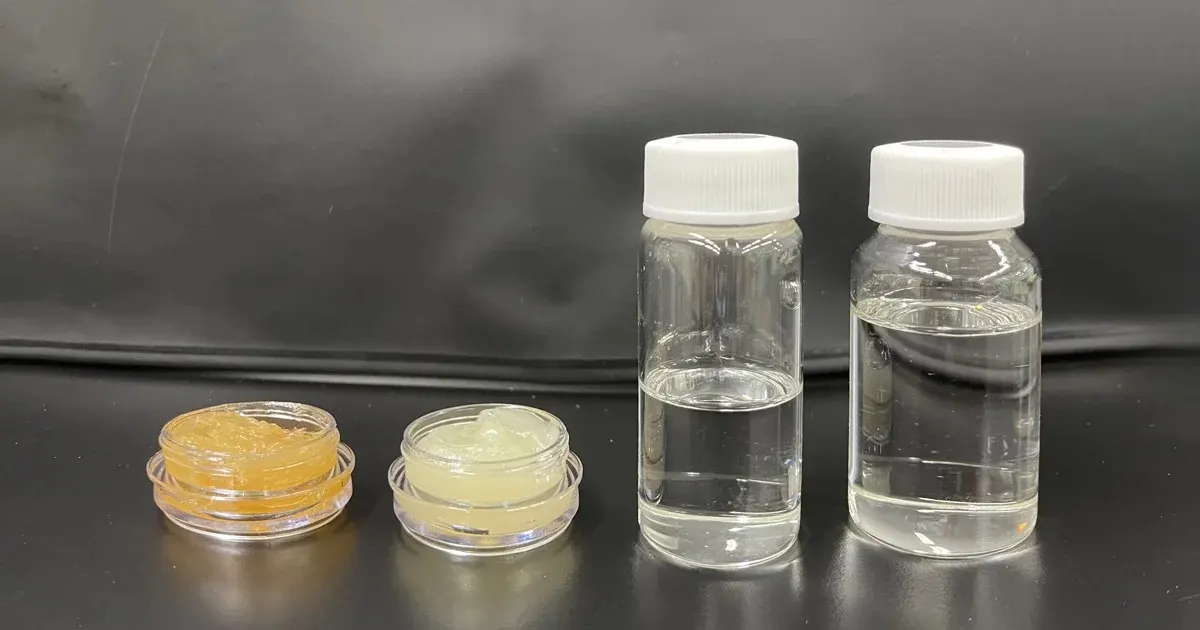
TRG FN III uses synthetic oil and a urea thickener, which often exhibit different oil separation and channeling characteristics compared to standard mineral-oil lithium greases.
Application Validation
Actual anti-fretting performance is best compared through performance testing suited to the target application's specific amplitude and load, rather than relying solely on datasheet parameters.
Lubrication Practices for Short-Stroke Linear Motion
Maintenance for micro-vibration environments cannot be assessed by total travel distance alone. Proper relubrication technique is essential. Always follow your equipment OEM manual.

Evaluating Alternative Anti-Fretting Greases
If you are currently sourcing specific OEM greases and looking for alternative evaluation options, TRGLUBE provides the following reference guide for our product line.
| Existing Grease Reference | TRG Product for Evaluation |
|---|---|
| THK AFC | TRG FN III |
| THK AFF | TRG FN V |
| THK AFJ | TRG FN VII |
Important Note: This relationship is provided as a product targeting reference for evaluation purposes only. It is not an official OEM interchange certification. Buyers must independently verify base oil viscosity, thickener compatibility, and performance in their specific equipment before changing lubricants.
Technical Documentation and Purchasing Support
We support industrial buyers, MROs, and distributors with clear product parameters and practical application review.
Documented Parameters
Verifiable data for base oil, thickener, viscosity, and worked penetration based on standard test methods.
Application Inquiry
Submit your motion amplitude, load, and temperature data for a preliminary evaluation of grease suitability.
Packaging Identification
Clear labeling for TRG FN III, FN V, and FN VII in standard 70g and 400g formats for easy procurement.
Documentation Review
Consult with us regarding SDS, technical data sheets, and packaging interface compatibility before ordering.
Anti-Fretting Grease Packaging for Industrial Buyers
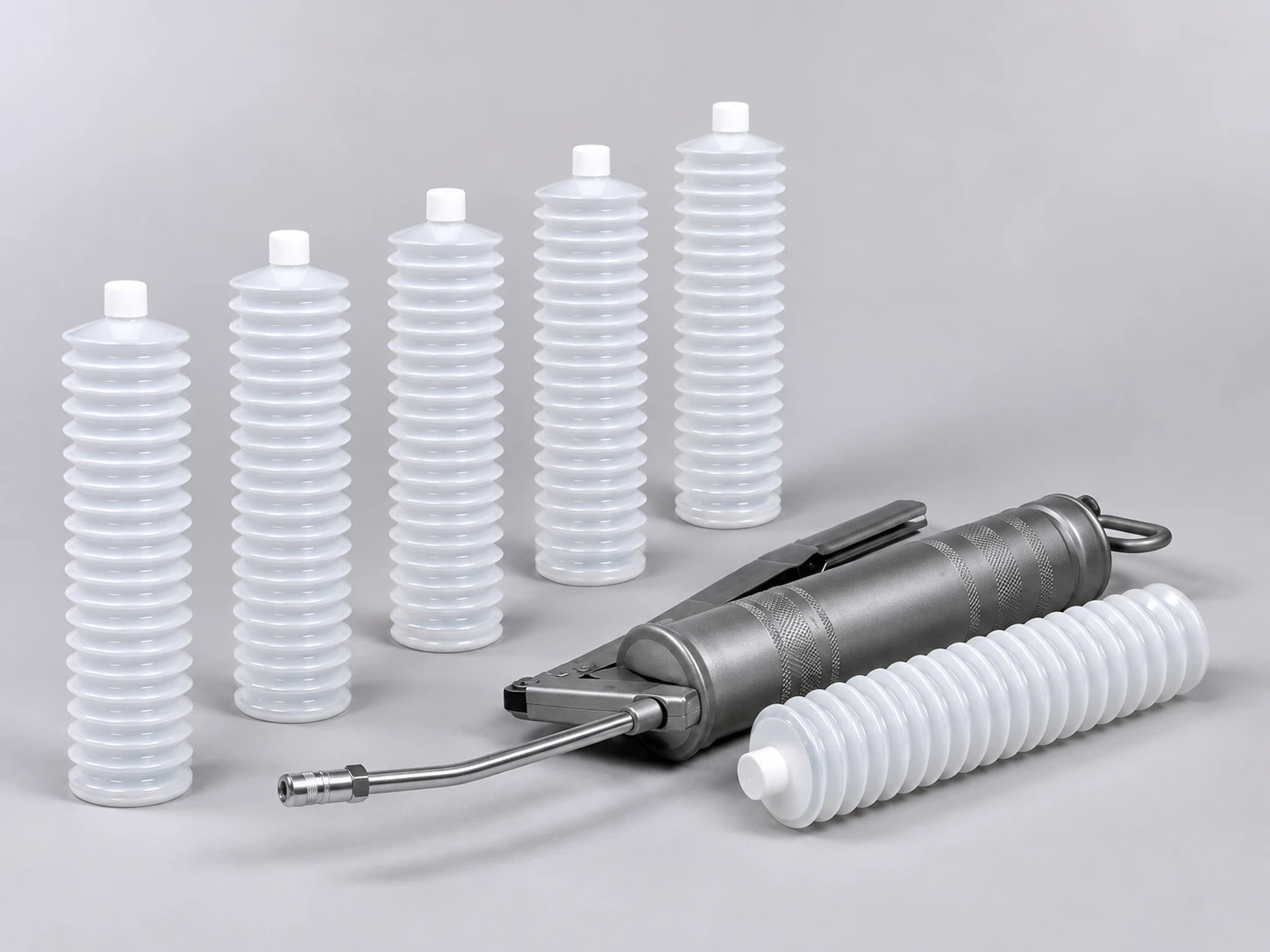
TRGLUBE provides standard packaging formats designed to integrate seamlessly with standard industrial grease guns and automated lubrication systems.
-
70g Bellows Tube Ideal for manual maintenance replenishment, sample qualification, or servicing individual precision positioning stages.
-
400g Bellows Tube Suited for equipment assembly purchasing, multiple-machine servicing, and distributor volume orders.
Frequently Asked Questions About Fretting Resistant Grease
Technical answers to common inquiries regarding micro-motion wear, product selection, and grease compatibility.
What is fretting resistant grease?
What causes fretting corrosion in linear guides?
How does anti-fretting grease work?
What grease is suitable for short-stroke linear motion?
Is fretting resistant grease different from standard lithium grease?
Can fretting resistant grease be used on ball screws?
What is the difference between fretting corrosion and false brinelling?
Can TRG FN III replace THK AFC grease?
Related Lubrication Products and Technical Resources
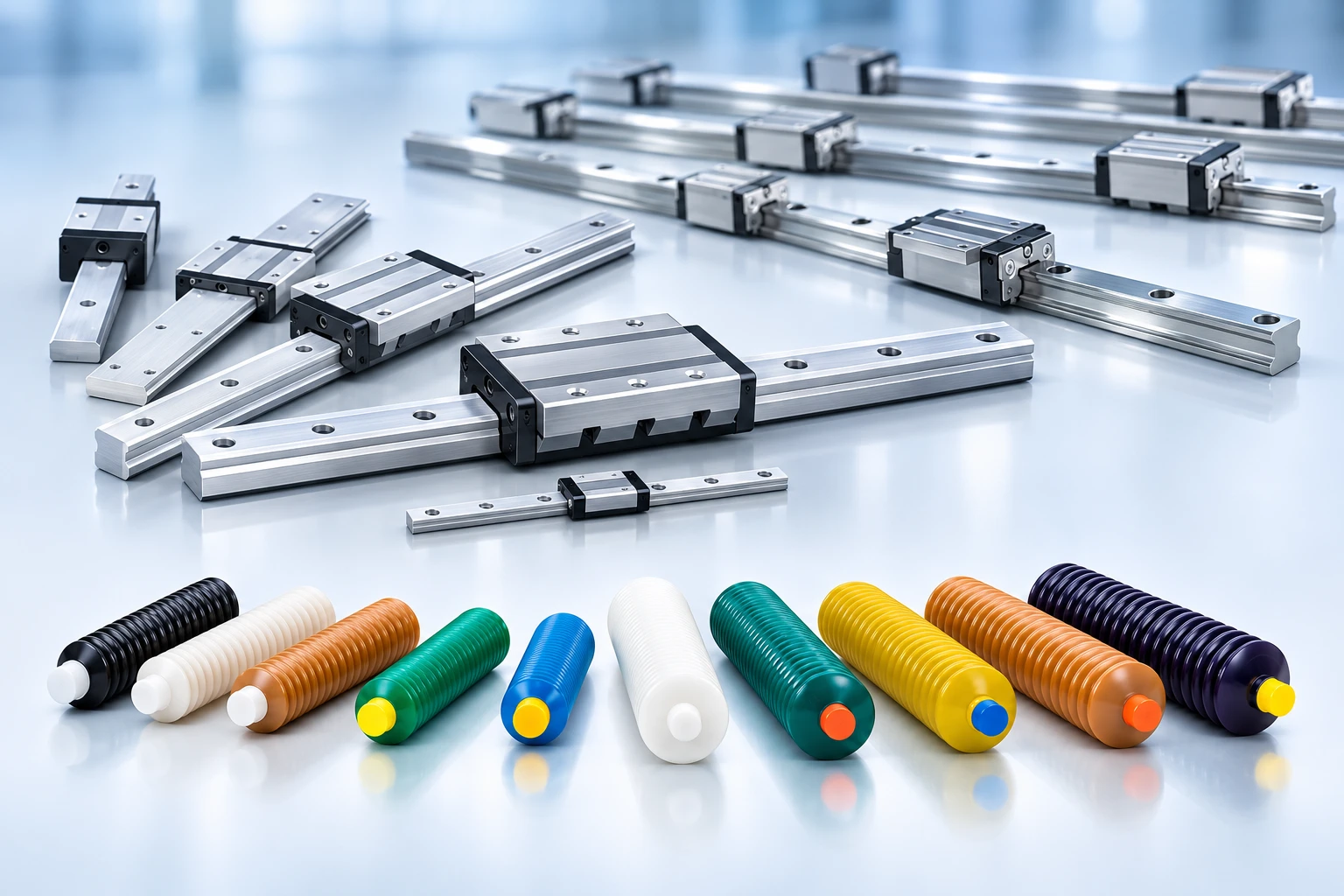
Linear Guide Grease
Compare short-stroke requirements with general continuous-motion guide lubrication.
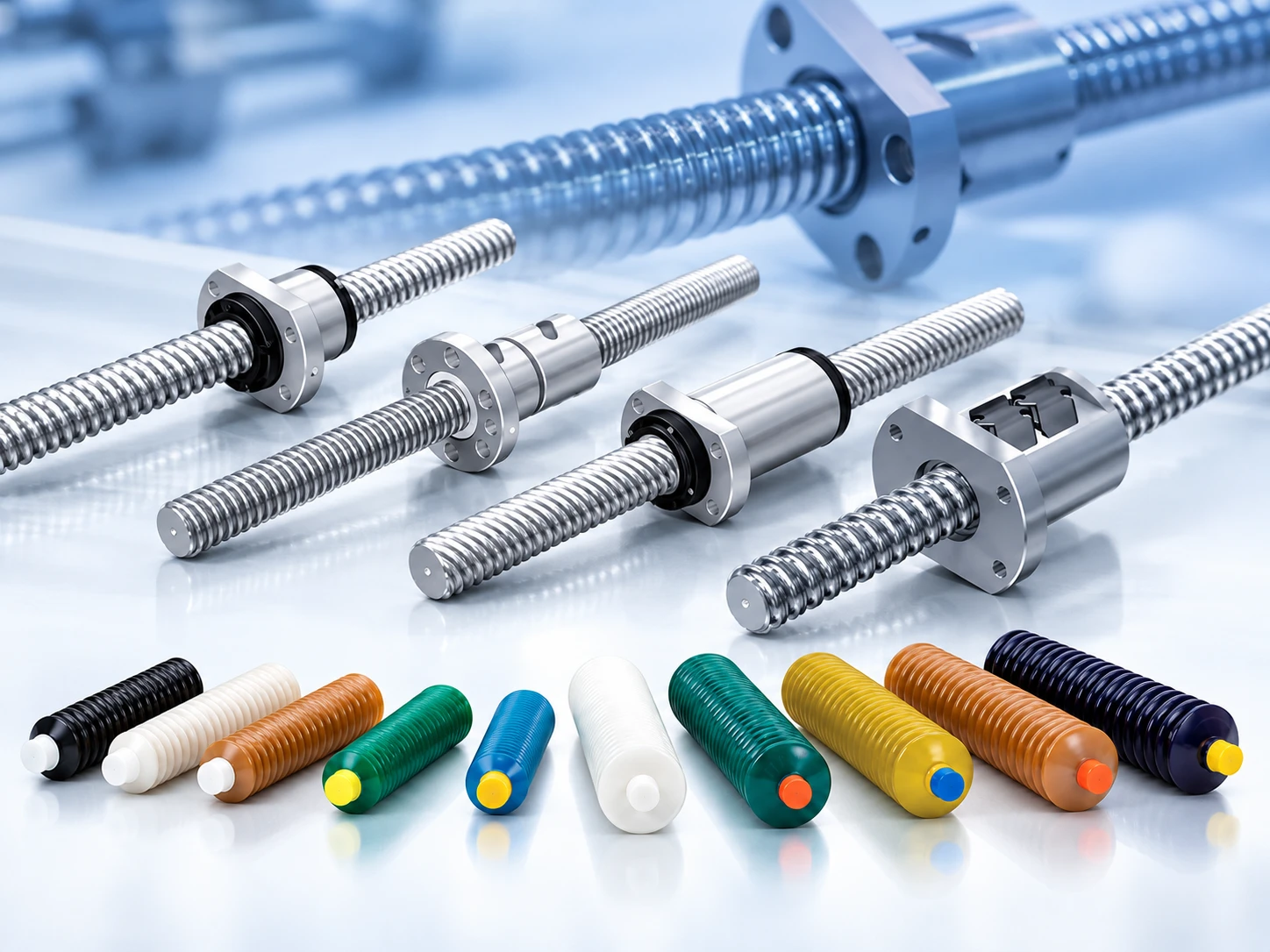
Ball Screw Grease
Explore lubricants optimized for rotational speed, torque, and temperature rise.
Compatibility Guide
Learn how to safely transition between different thickener types and base oils.
Need Grease for a Fretting-Prone Motion System?
Provide your equipment details, motion type, or current grease model. Our engineering team will help you evaluate TRG FN III or recommend the appropriate anti-fretting solution for your specific application.